
CASES & NEWS
Related News
Related Products
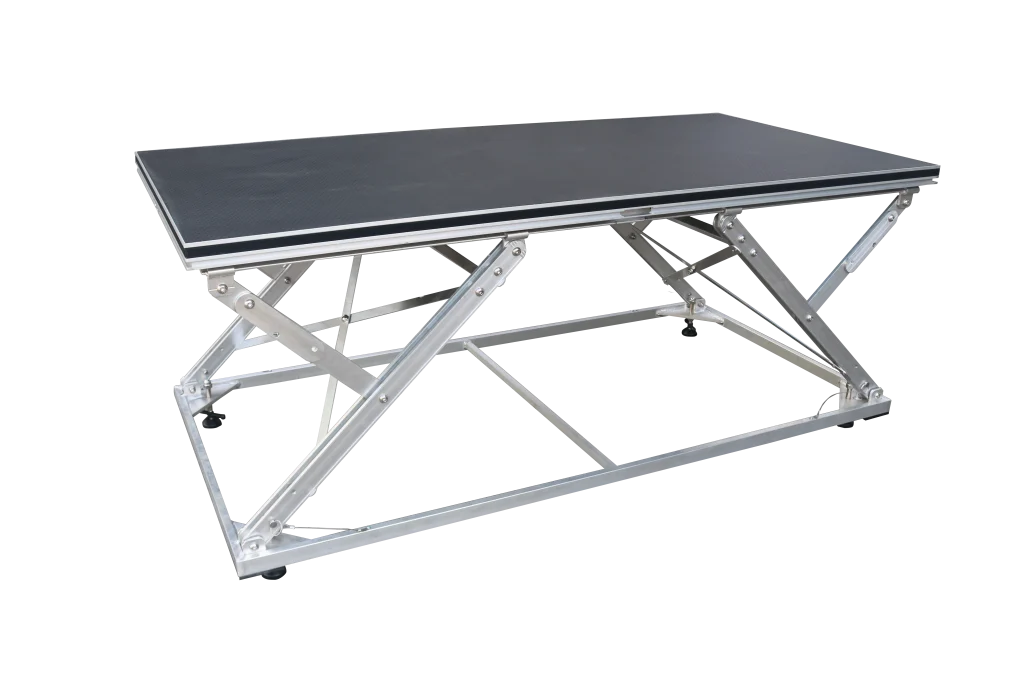
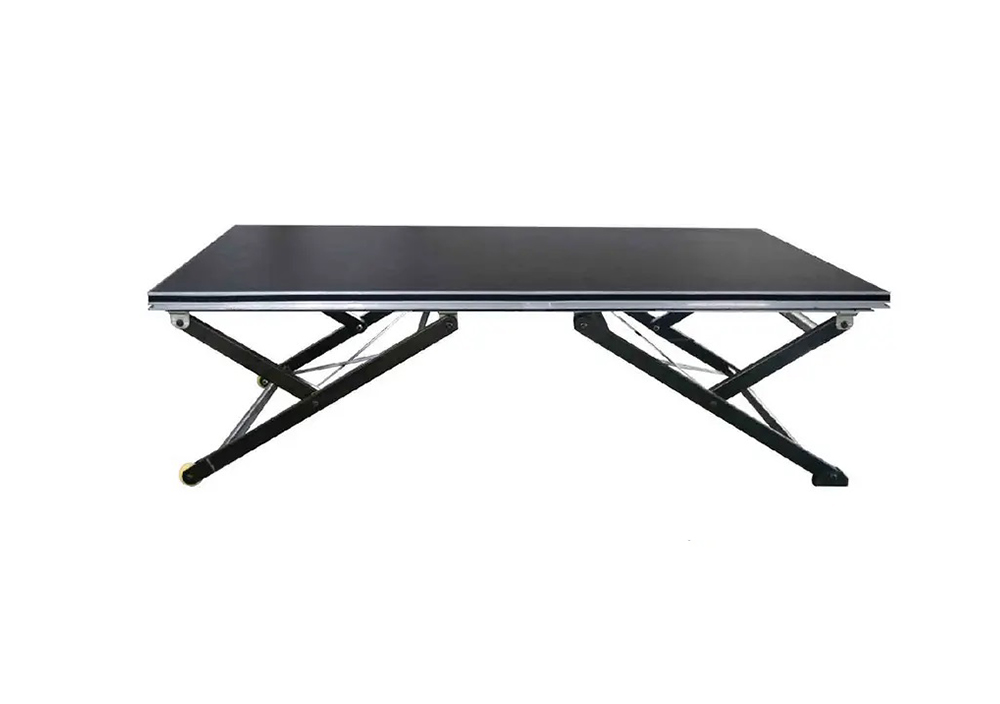
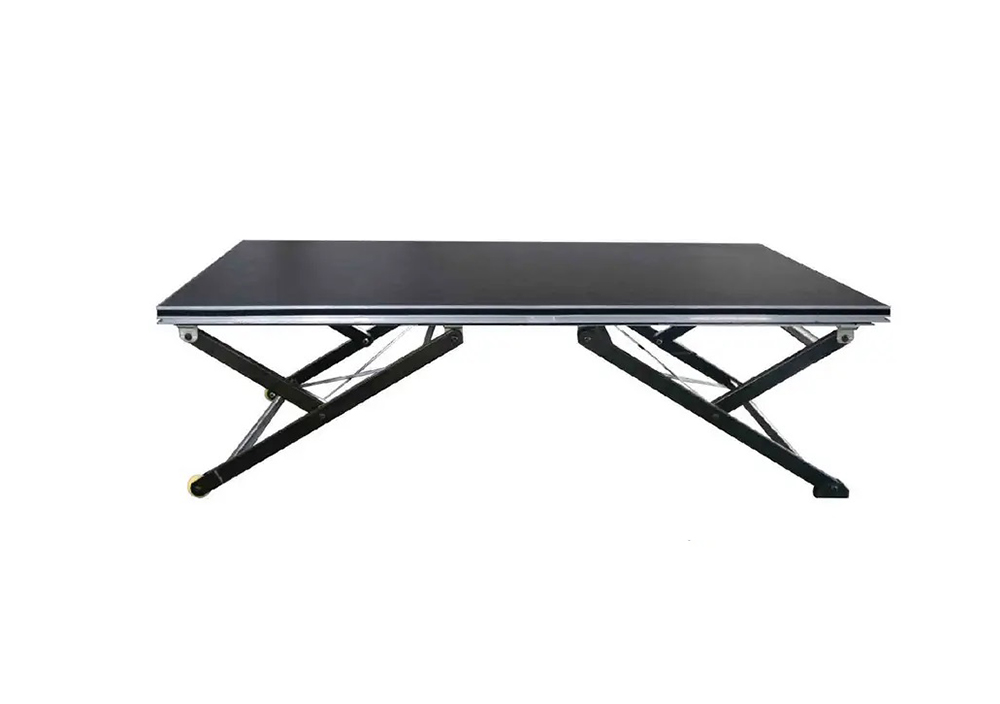
Smart Stage Technology and Sustainability: The Next Evolution of Event Infrastructure
Views:
Author: Shinestage
Publish Time: 2025-11-13
Origin:
In the modern event industry, the stage has evolved from a simple physical platform into an intelligent, interconnected ecosystem. It is no longer just a structure—it is a responsive machine, a digital interface, and a statement of sustainability. The transformation is driven by two major forces: technological innovation and environmental responsibility. And in this new era, companies like Shinestage are redefining what stage systems mean to both performers and audiences around the world.
Technology That Thinks
For decades, stage systems were built primarily for strength and aesthetics. Today, they must also think. Intelligent lifting systems, sensor-driven safety mechanisms, and automated truss movements are becoming standard in large-scale event engineering. The concept of “smart stage” reflects a new kind of interaction between human creativity and mechanical precision.
Shinestage’s latest electric hoist series and modular truss platforms integrate programmable control units that communicate with lighting, sound, and visual systems. With a single console, technicians can manage dynamic movements, synchronize mechanical operations with stage cues, and ensure perfect timing during live shows. These innovations reduce human error, improve setup efficiency, and elevate the safety threshold of modern productions.
In an industry where time is money, efficiency defines success. Smart automation allows teams to complete installation in hours instead of days. Sensors continuously monitor weight distribution, cable tension, and structural vibration—sending real-time alerts before problems occur. This is not just convenience; it’s a revolution in risk prevention.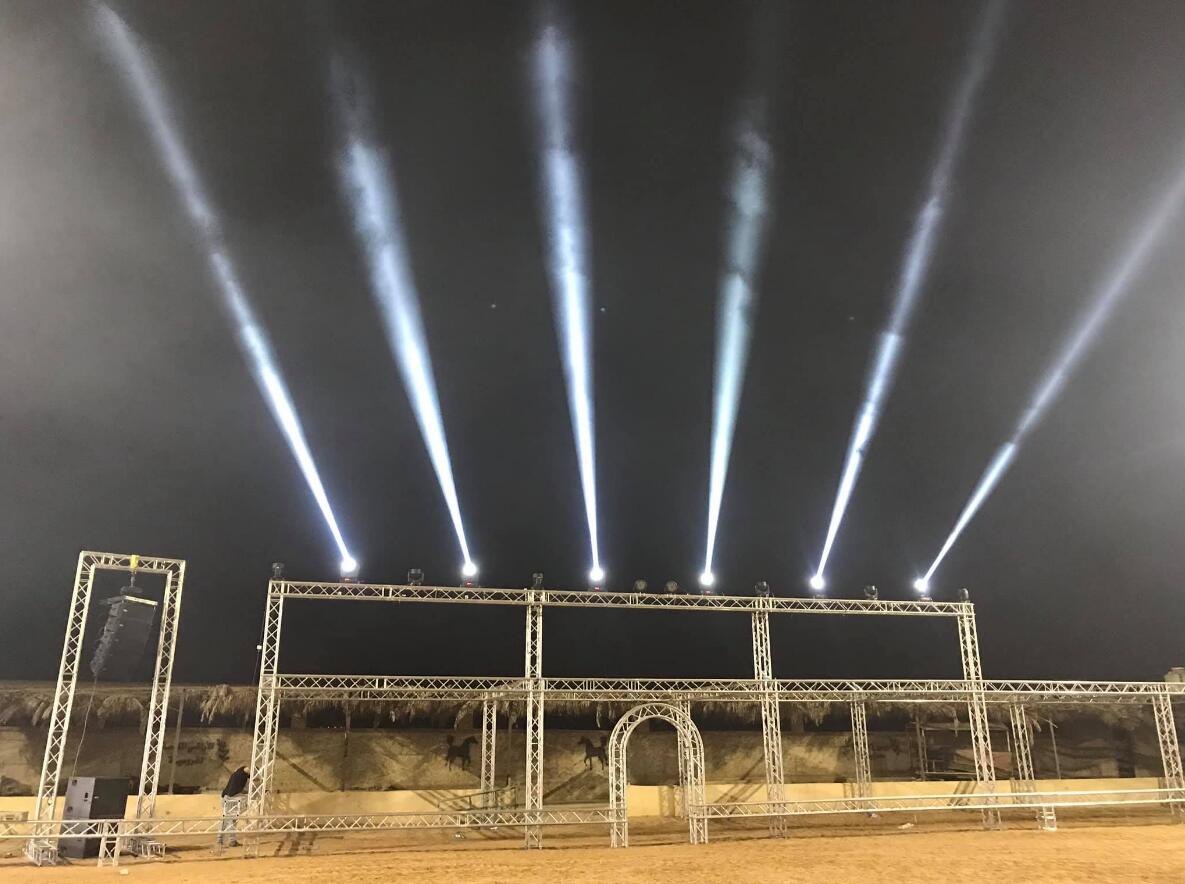
Sustainability as Core Design
The global stage and event industry faces increasing scrutiny for its environmental footprint. Massive productions often involve metal fabrication, power consumption, and long-distance logistics. As global awareness of sustainability grows, the challenge is clear: how to make stage infrastructure greener without compromising performance quality.
For Shinestage, sustainability begins with materials. The company’s aluminum truss systems are designed for reuse, recycling, and minimal waste. Aluminum, compared with steel, provides exceptional strength-to-weight ratio and can be recycled indefinitely without degradation. Each component is engineered for multi-event life cycles—resistant to corrosion, easy to transport, and compatible across different systems.
Moreover, modularity itself is a sustainable philosophy. A modular stage can be reconfigured for different venues and event types without rebuilding from scratch. This reduces material waste and energy consumption associated with fabrication. Instead of designing for one-time use, Shinestage designs for continuity—creating structures that travel the world, serving hundreds of events while maintaining structural integrity.
Energy efficiency is another focus. Smart lifting systems consume power dynamically, using intelligent braking and load-balancing mechanisms to reduce unnecessary energy output. LED-powered control panels and motion sensors further minimize waste during idle operations. The result is a new generation of “eco-performance infrastructure.”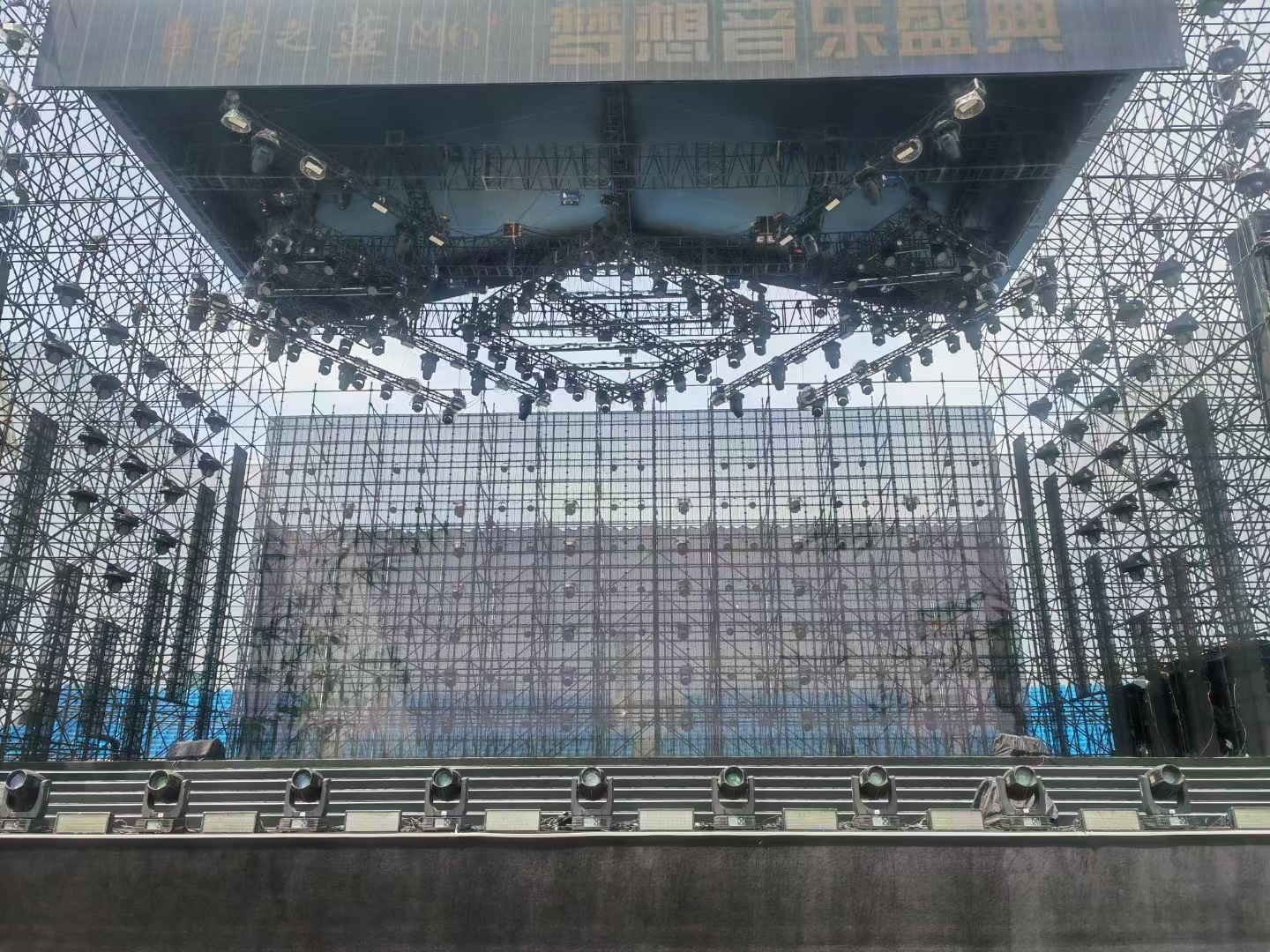
Human-Centered Technology
While automation and sustainability are at the heart of future stage design, the ultimate focus remains human experience. Technology should empower creativity, not complicate it.
In Shinestage’s philosophy, every system—whether a truss, hoist, or stage platform—should serve the needs of designers, technicians, and performers seamlessly. User interfaces are designed to be intuitive, visual, and language-flexible for global users. Assembly systems rely on quick-lock mechanisms instead of tools, minimizing physical labor and potential injury.
Equally important is the emotional connection between technology and performance. A “smart stage” does not only respond to commands—it anticipates. For instance, synchronized lift systems can adjust height dynamically during live acts, allowing visual choreography to evolve in real time. In a world increasingly dominated by digital screens, physical motion brings back the tangible thrill of live performance.
At international exhibitions and festivals, Shinestage’s systems have become part of storytelling itself. A structure that glows, shifts, and rises becomes a visual metaphor for transformation—an architecture of movement.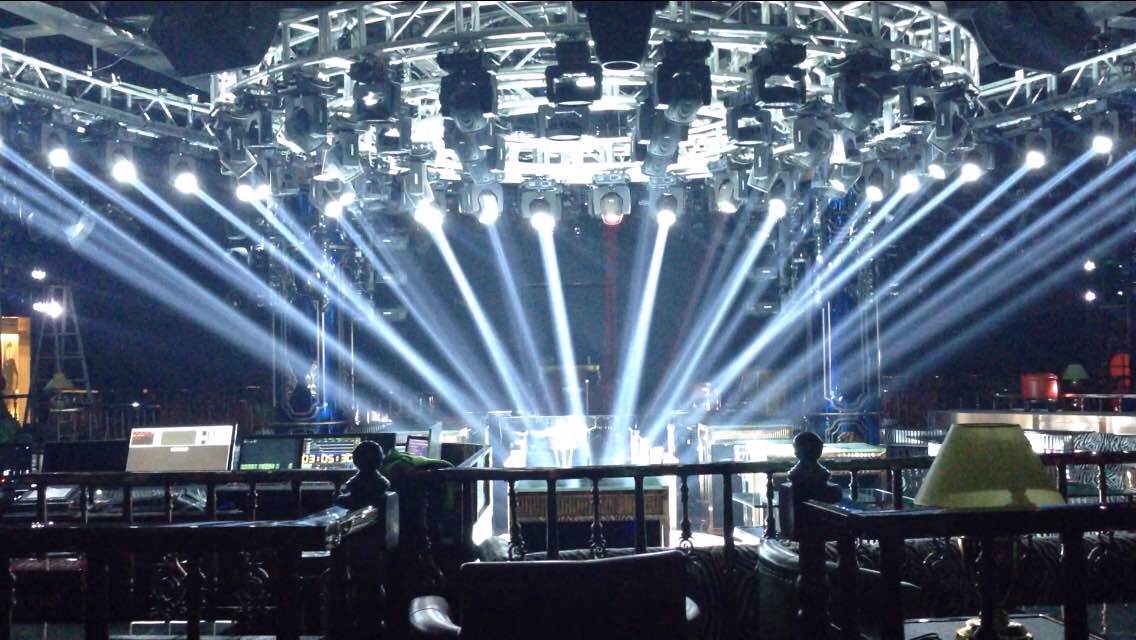
Engineering the Future
Smart stage technology is not a futuristic dream—it’s the reality shaping today’s global entertainment economy. Sustainability, intelligence, and precision have become inseparable values. Every structure built by Shinestage reflects the industry’s shift from heavy construction to intelligent performance infrastructure.
As cities embrace sustainable architecture and renewable energy, the entertainment world follows suit. A concert is not just a show—it is a demonstration of technological and environmental progress. The collaboration between engineers, artists, and manufacturers marks a new cultural movement: where efficiency meets emotion, and innovation becomes the stage itself.
Shinestage’s role is to continue pushing this boundary—to build platforms that think, structures that sustain, and systems that inspire. The future of performance will not only be watched; it will be engineered, connected, and alive.