
CASES & NEWS
Related News
Related Products
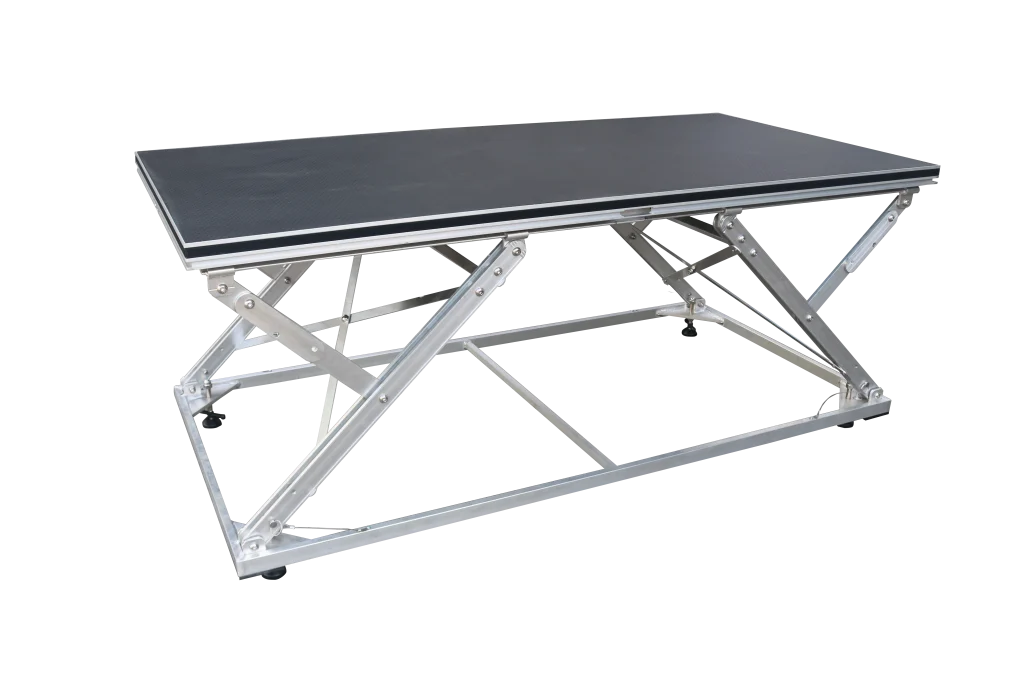
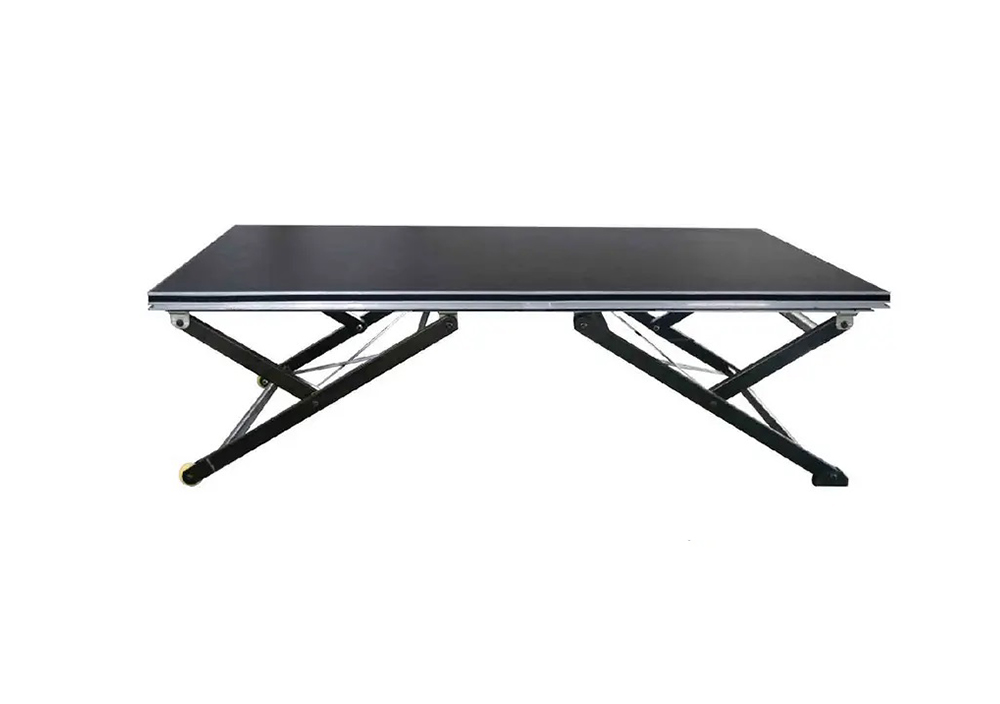
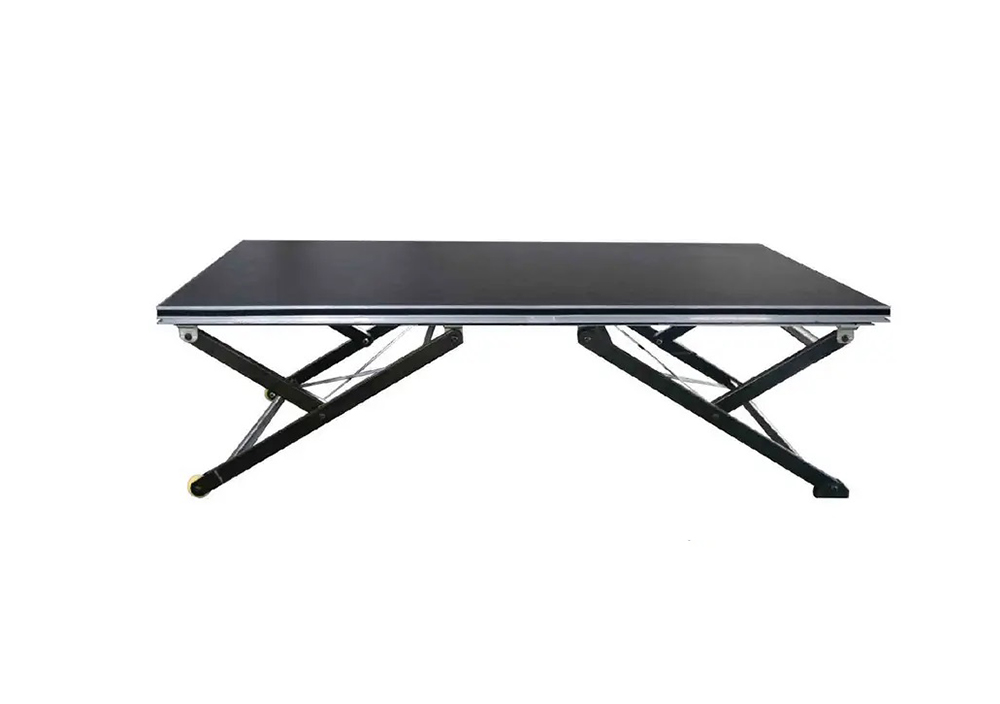
The Art of Stage Construction: How Design Translates into Emotion
Views:
Author: Shinestage
Publish Time: 2025-11-05
Origin:
Every great performance begins long before the first light turns on or the first note is played. It begins in silence, in the geometry of space, in the rhythm of structure. A stage is not just a platform—it is the emotional canvas of an event, the invisible bridge that connects performers and audience, light and sound, structure and soul.
When audiences feel moved during a live concert or a festival, they are often responding not only to the music or performance itself but also to the way the space is built around it. Every line, every height, every lighting angle plays a subtle part in shaping that emotional reaction. This is the essence of stage construction as emotional design—an intersection where engineering precision meets human perception.
The craft of building a stage begins with intention. Designers must ask: What emotion should this space evoke?
A corporate event demands order and clarity, a music festival thrives on energy and flow, and a theater show calls for intimacy and depth. The answers to those questions are then translated into structure—through height variations, frame geometry, and the choice of materials. Aluminum frameworks, with their balance of strength and lightness, have become the backbone of this creative freedom, allowing spaces to be bold yet adaptable.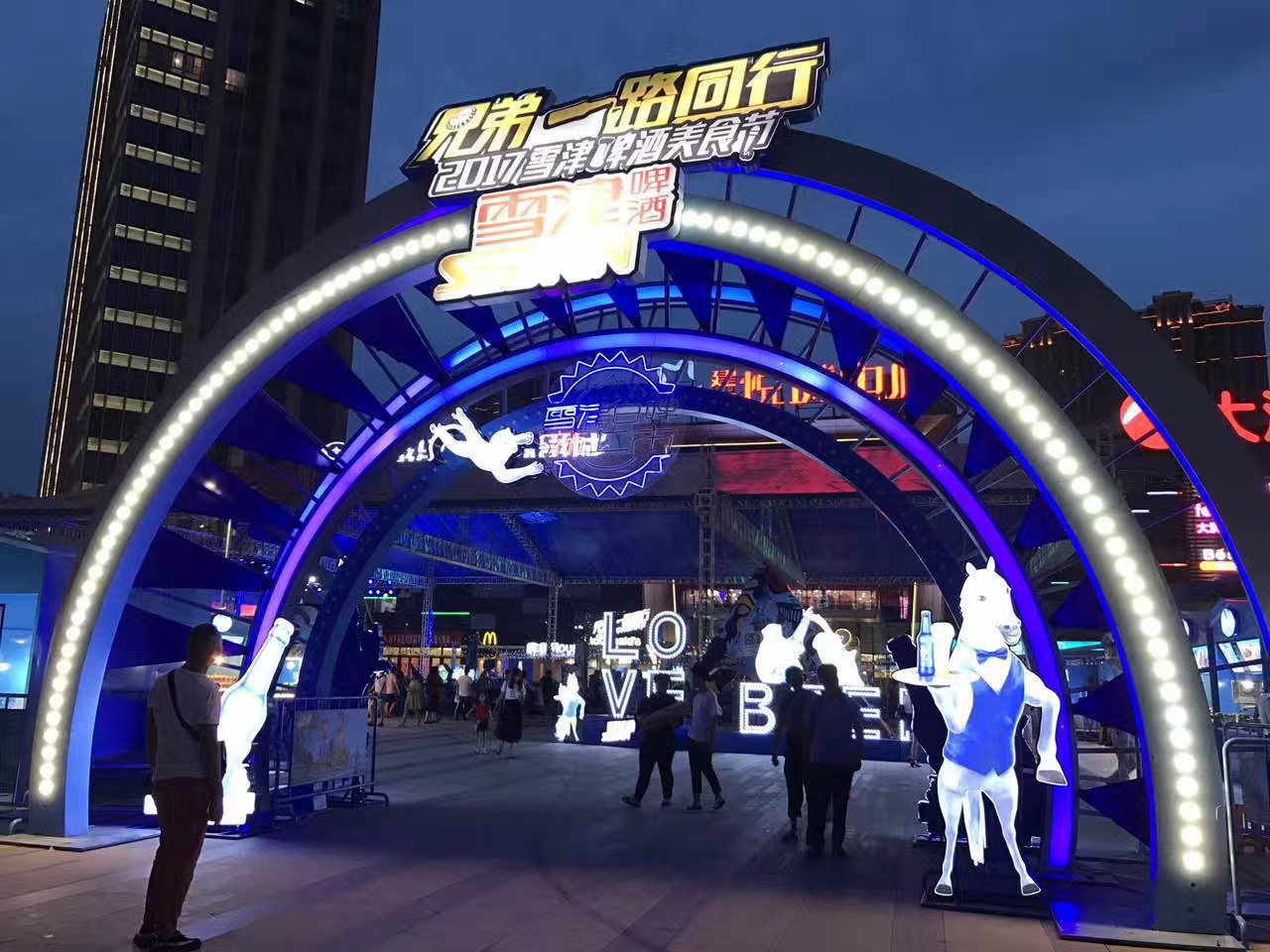
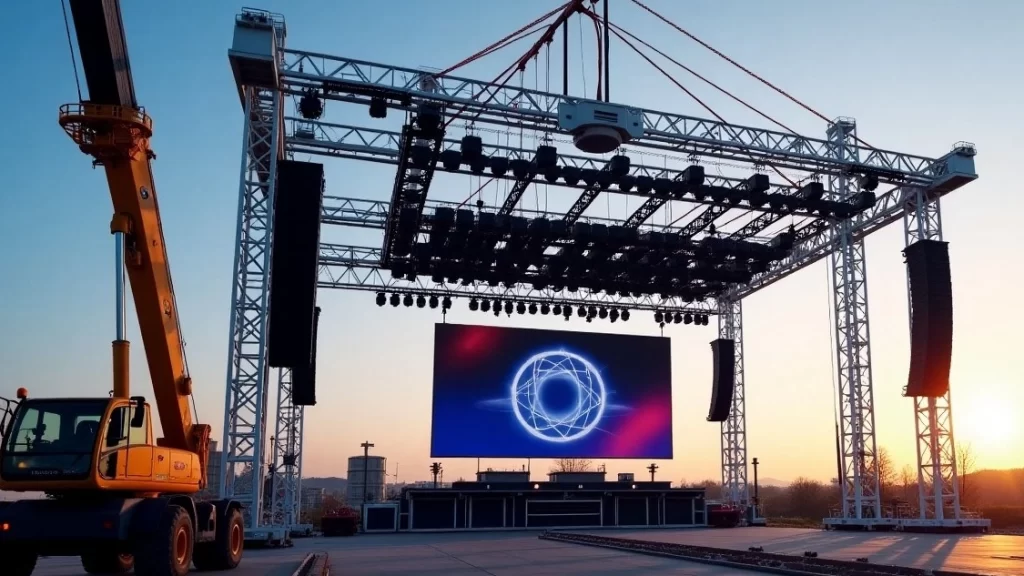
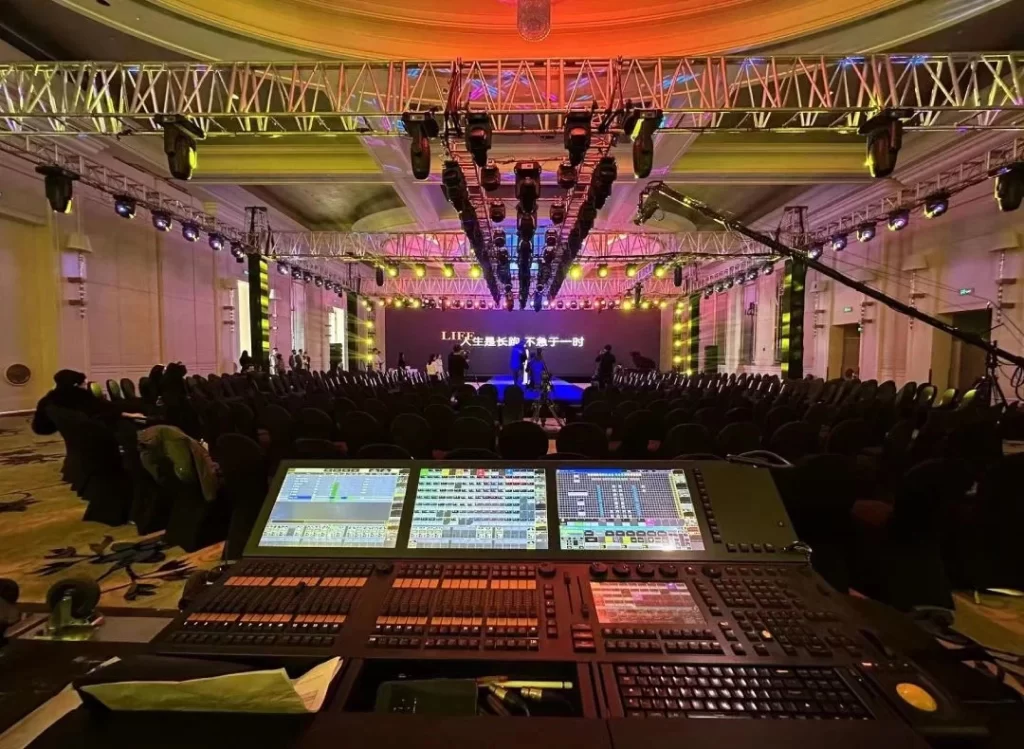
Lighting and motion bring the structure to life. The interaction between truss systems, rigging points, and lighting design defines how emotions are delivered visually. A well-placed beam of light or a suspended LED wall can reshape an audience’s perception of space, turning a simple platform into a dramatic landscape. This interplay between light and structure is the true language of stage emotion—silent yet powerful.
Behind every emotional response is a set of technical choices. The width of a platform affects performer dynamics; the distance between audience and stage determines engagement intensity; even the type of surface—acrylic, carpet, or anti-slip board—can subtly alter the sense of atmosphere. This attention to sensory detail transforms technical construction into a form of storytelling.
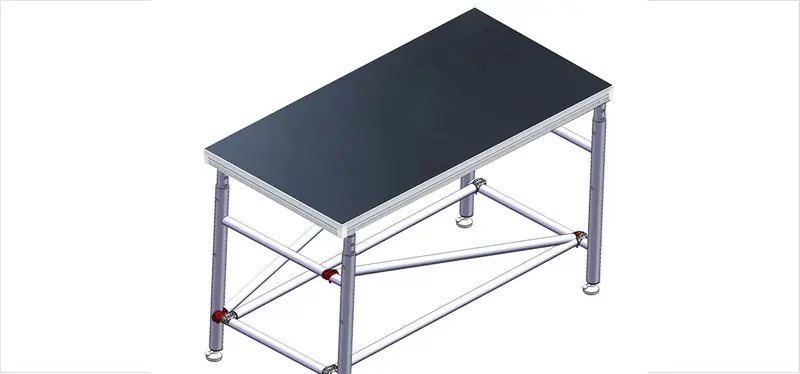
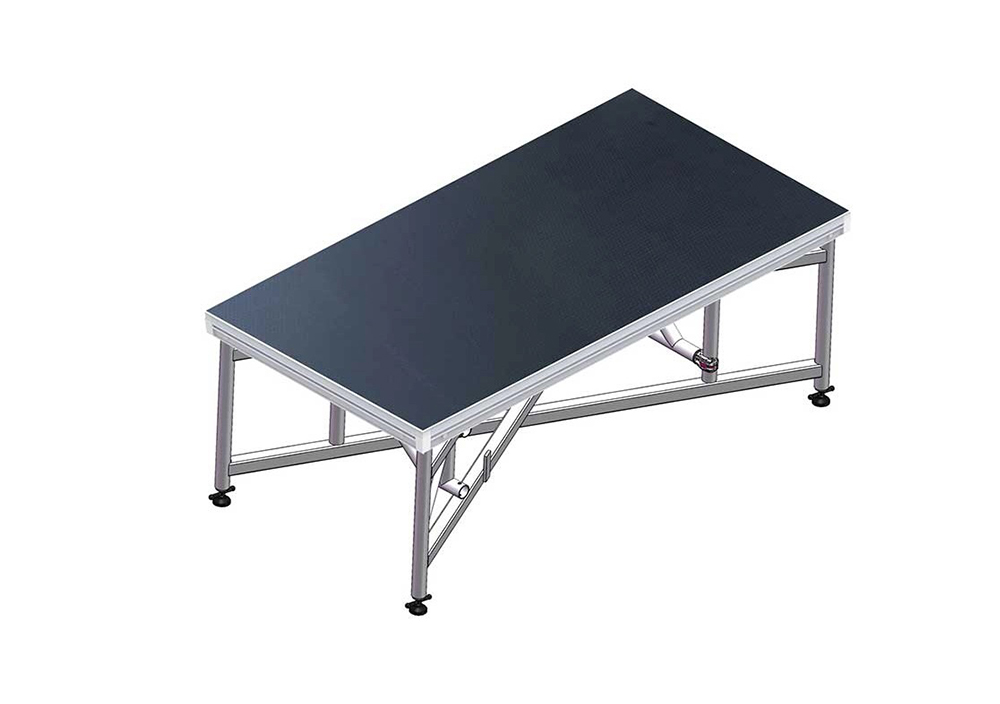
Modern stage systems have also introduced a new level of flexibility. Modular and portable designs allow producers to adapt spaces according to each scene or performance. One system can shift from a minimalist runway to a grand concert platform within hours. This adaptability enables designers to align physical structure with emotional flow—an essential factor in today’s fast-paced event production industry.
But emotion is not only created by shape—it’s also created by proportion and rhythm. The repetition of truss lines, the symmetry of platforms, and the pacing of height transitions generate a visual rhythm that mirrors musical beats. When design aligns with performance tempo, the entire experience becomes immersive. The audience doesn’t just watch; they feel the structure breathing with the show.
Stage construction is also deeply connected to the psychology of audience perspective. A slightly elevated center deck enhances focus; curved stage lines promote inclusivity; open truss patterns invite transparency and light. Each of these design decisions communicates emotion through spatial behavior. The stage, in essence, becomes a form of emotional architecture.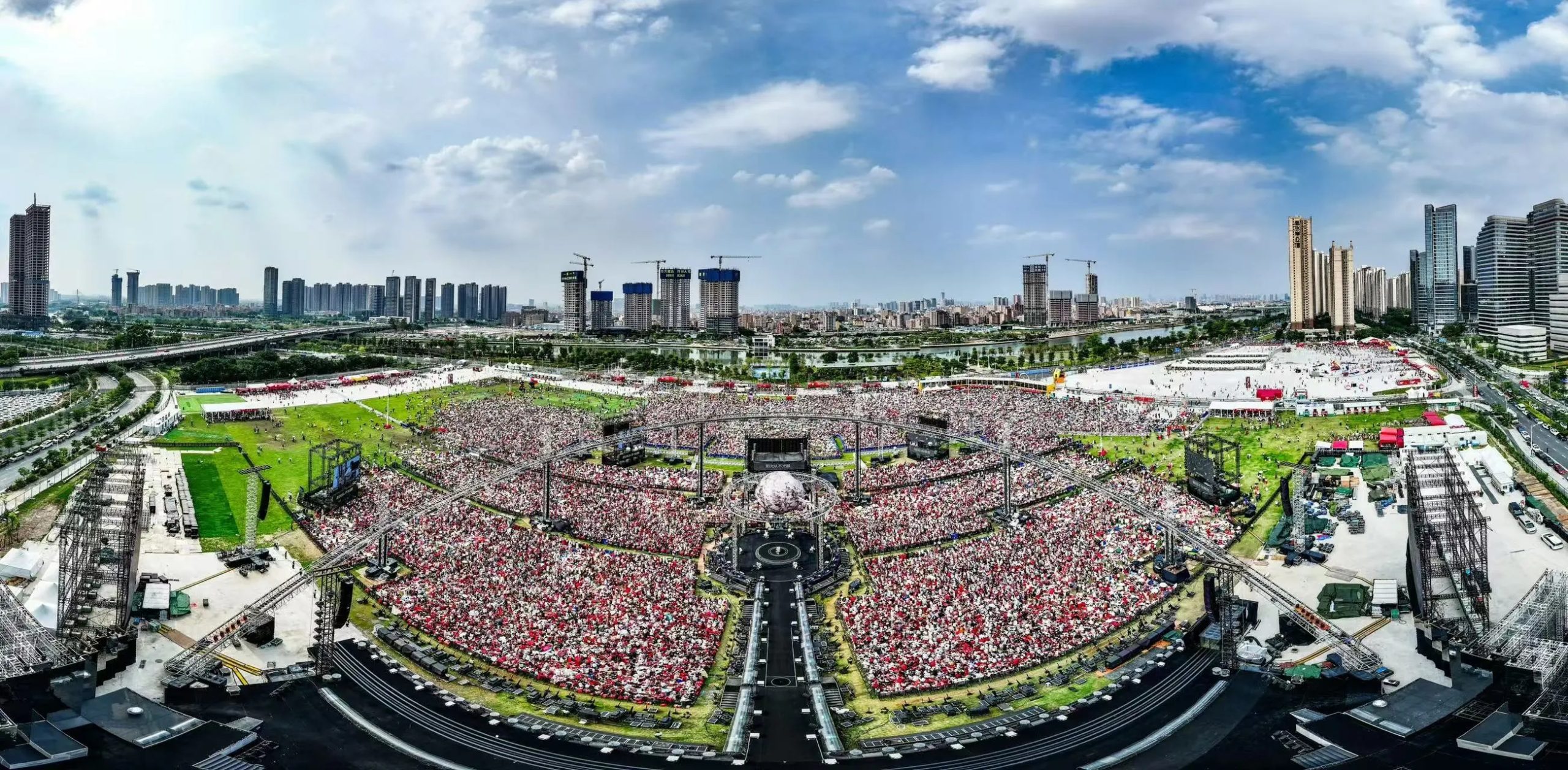
In the manufacturing and design process, collaboration between engineers and artists becomes crucial. The engineer ensures balance and load-bearing precision; the artist ensures flow, aesthetics, and visual harmony. Together, they create a shared language where structure becomes poetry. This unity of form and feeling defines the most successful modern stages—the ones that feel effortless yet deeply intentional.
Emotionally resonant stage design also depends on the transitions between space and experience. The backstage, wings, and entry points all influence how performers move and interact. Smooth transitions create calmness and confidence, while sharp spatial separations heighten intensity. The best stage constructions understand how to choreograph not only performance but also the movement of emotion itself.
As technology advances, so does the palette of stage design. Transparent LED panels, dynamic rigging systems, and programmable lighting sequences allow for continuous transformation during live shows. Yet even with innovation, the emotional foundation remains timeless: balance, proportion, light, and human connection. No amount of technology can replace the intuitive sense of how space makes people feel.
For event producers and designers, the art of stage construction is no longer just about building safely—it’s about building meaningfully. The stage has evolved into an emotional instrument, capable of shaping memory and amplifying experience. Whether it’s a small fashion show or a massive concert tour, each structure becomes part of the emotional signature of the event.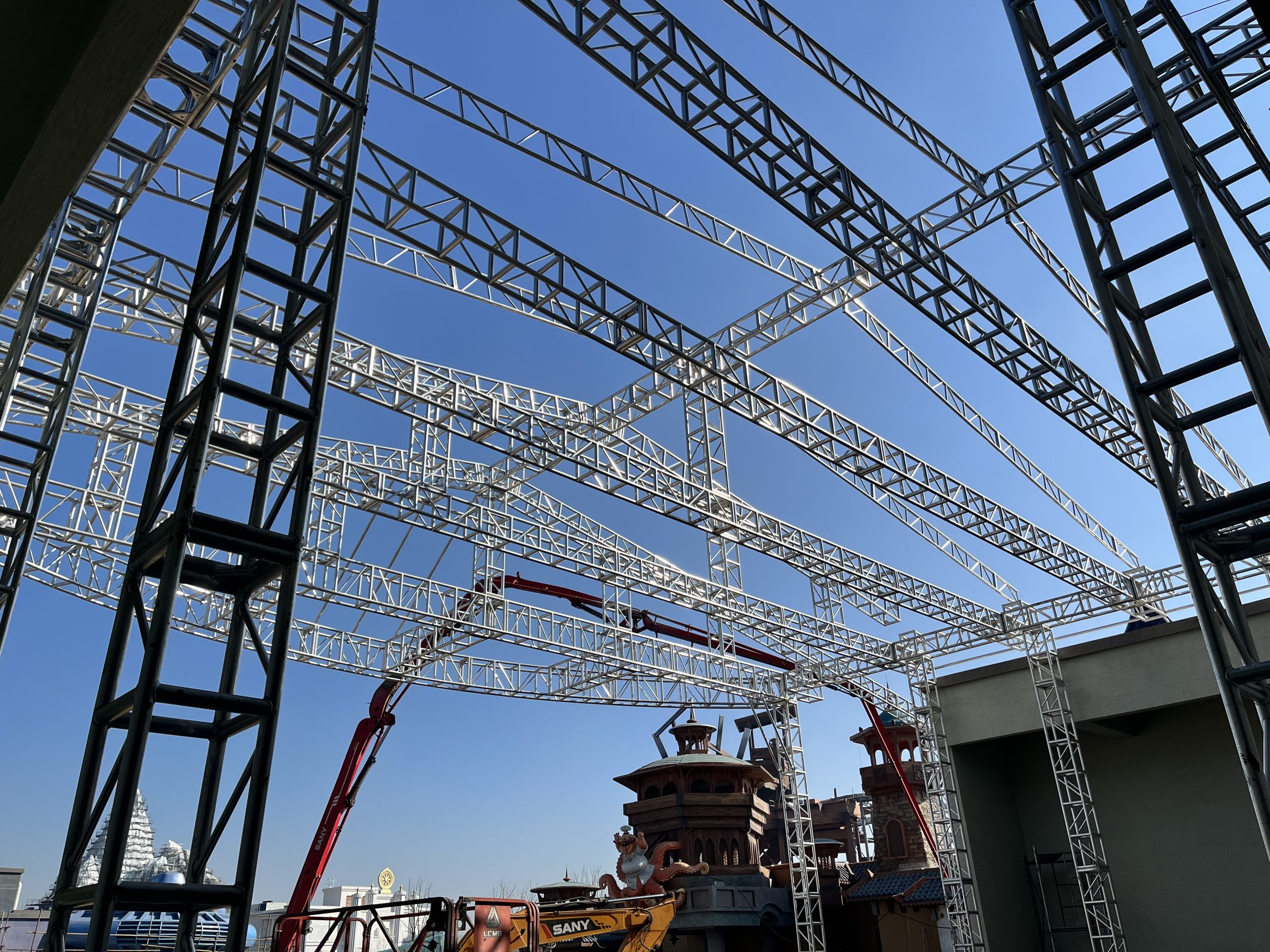
The future of stage construction will continue to merge creativity with precision. As modular systems evolve, they will not only make production faster and safer but also more expressive. Every joint, beam, and platform will remain part of a larger choreography—a physical manifestation of imagination.
In the end, the art of stage construction is the art of translation: turning vision into geometry, music into movement, and emotion into space. It reminds us that the stage is not simply built to hold a performance—it is built to feel it. And when done right, that feeling lingers long after the lights fade and the last echo disappears into the night.