
CASES & NEWS
Related News
Related Products


Designing Space: The Art and Logic Behind Modern Stage Architecture
Views:
Author: Shinestage
Publish Time: 2025-11-04
Origin:
Stage design is not just about building a platform; it is about creating a world. Every performance space—whether a concert arena, a festival ground, or a theater—is a conversation between engineering and art, between what can be built and what can be imagined. In the modern stage industry, this balance defines success. The structures we build must not only be stable and safe but also inspire emotion, movement, and connection.
Behind every stunning show is a story of calculation and creativity. The architecture of a stage must consider sightlines, sound projection, crowd movement, and visual focus, yet it must do so invisibly. The best-designed stage disappears, allowing the audience to feel the performance rather than the structure supporting it. That invisible elegance is what separates great stage architecture from mere construction.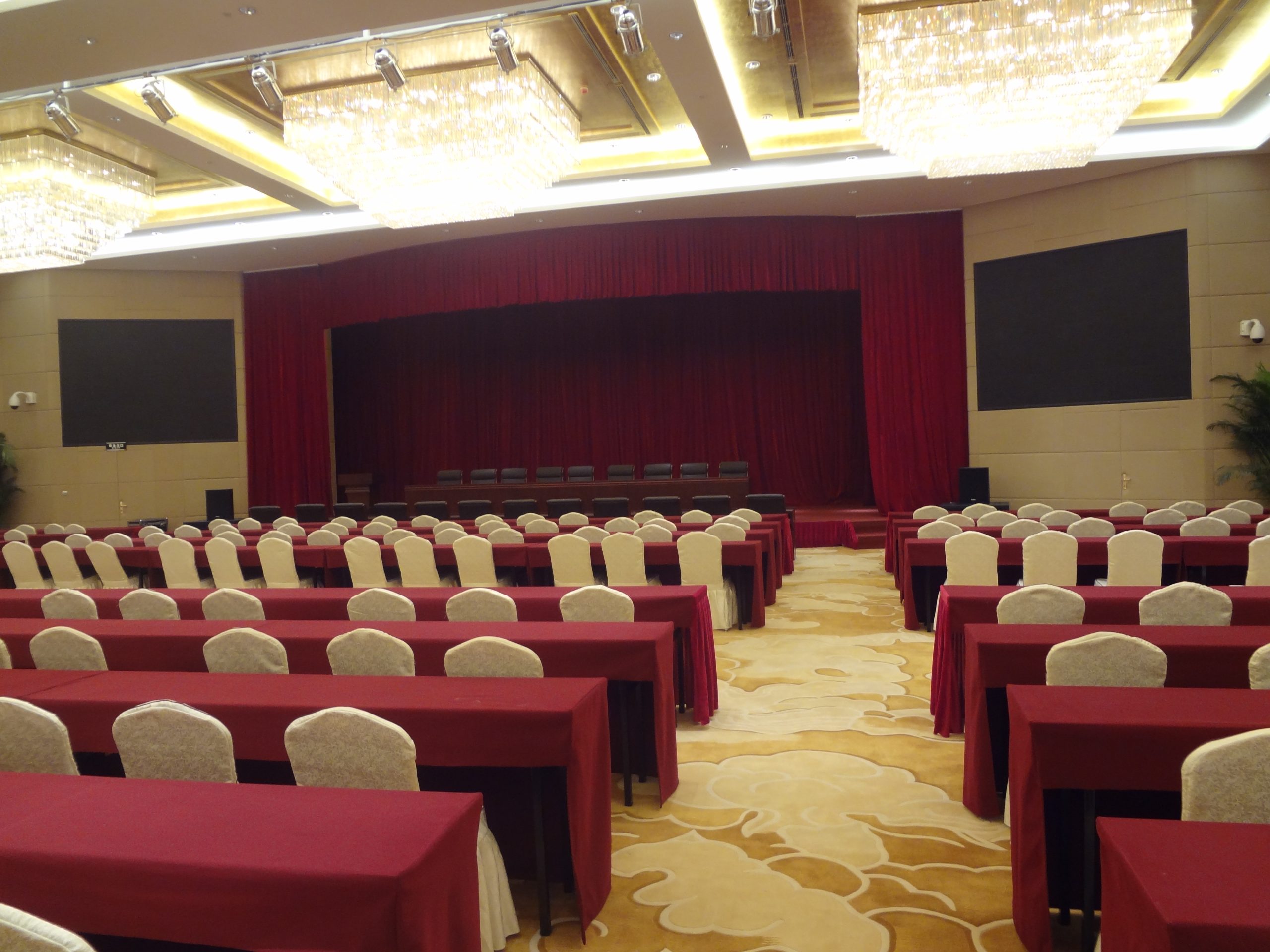
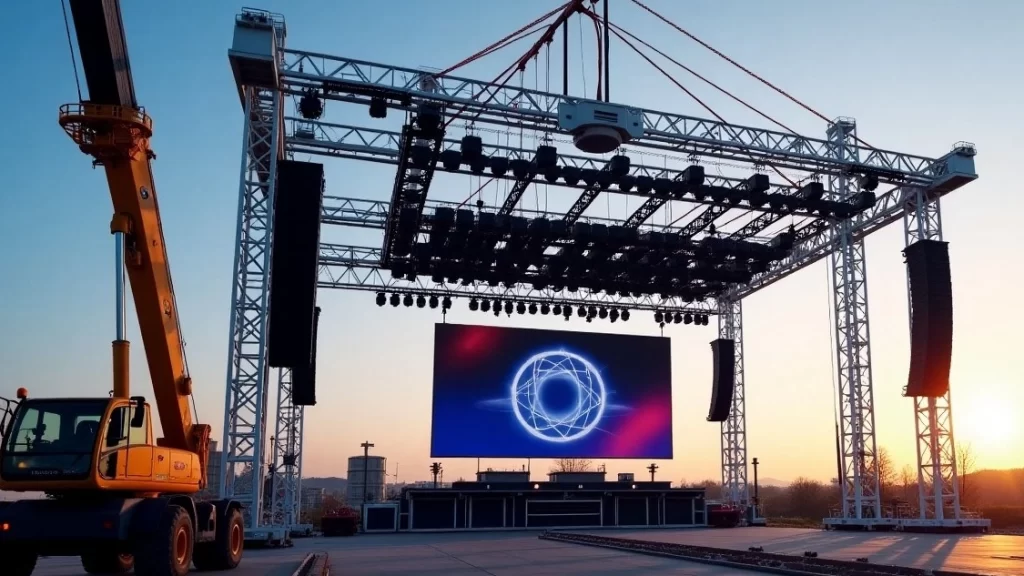
The evolution of stage design has always mirrored the evolution of culture itself. In earlier decades, performance spaces were static and formal, often tied to fixed venues. Today, performance is everywhere. From temporary festival sites to outdoor arenas and sports ceremonies, the demand for flexibility has reshaped the very foundation of stage architecture. Modular systems, aluminum truss structures, and rapid-deployment grandstands have become essential components of modern event production. They represent not just technical advancement but a shift in mindset—toward mobility, adaptability, and sustainable construction.
The artistry of modern stage architecture lies in its restraint. A perfectly engineered truss frame may hold tons of equipment, yet it remains visually light, giving a sense of openness and air. Grandstands that can hold thousands of spectators are designed to appear seamless, integrated into the environment rather than dominating it. Every angle, height, and connection point becomes part of the narrative. The geometry of performance is as expressive as the performance itself.
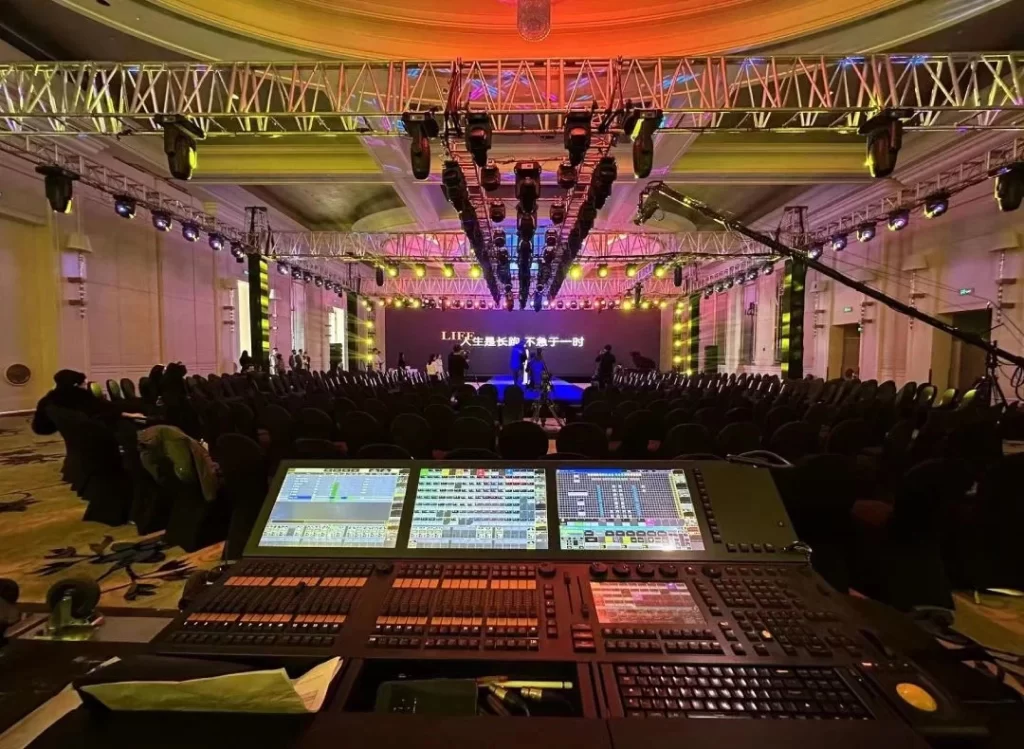
A well-designed stage begins long before the first beam is installed. It starts with understanding the story. What emotions will this space hold? How will the audience move, react, and feel? Engineers and designers today collaborate more closely than ever, using advanced modeling tools to simulate not only structure but atmosphere. Lighting angles, audience perspectives, and even wind resistance become part of the visual composition. The result is not just a functional build—it’s spatial storytelling.
In this sense, modern stage architecture is closer to urban design than simple construction. It creates temporary cities of emotion. A concert festival can draw hundreds of thousands, each participant moving within a living structure of aluminum, steel, and sound. The efficiency of assembly, the logic of load distribution, and the rhythm of human flow all determine whether that city thrives. It’s a short-lived city, yes, but one that must perform perfectly for the hours it exists.
The discipline also carries a deep ethical dimension. Safety is not a constraint—it’s the foundation of creativity. Only when a structure is truly secure can it allow risk on the artistic side. The invisible assurance of engineering liberates the visible magic of art. In this way, the art and logic of stage architecture are inseparable. They are two sides of the same creative equation.
As global audiences grow more sophisticated, their expectations evolve. They want immersion, not observation. They want to feel surrounded by the performance. This pushes stage designers to explore new configurations—360-degree audience setups, transparent platforms, movable elements that can shift form mid-show. These innovations require new thinking in load dynamics, connection strength, and modular adaptability. Aluminum alloys, with their balance of strength and lightness, have become the material of choice, defining a new era of stage flexibility.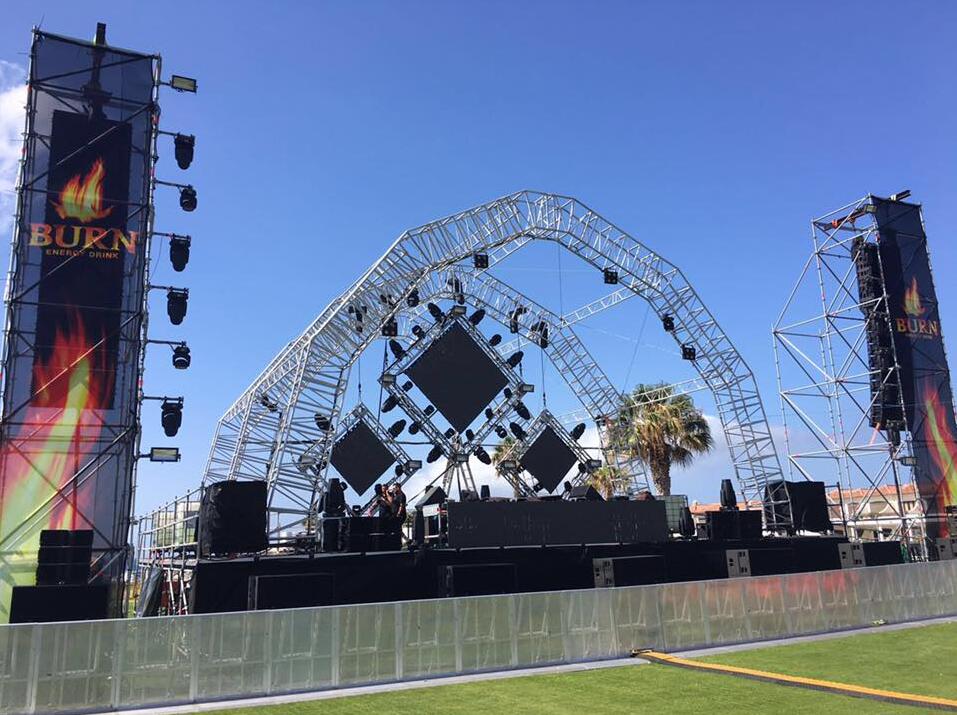
But while technology expands what is possible, philosophy defines what is meaningful. A stage that overwhelms the performance is a failed design. The art lies in subtlety—creating just enough presence to frame the experience without dominating it. This is why many leading stage constructors today emphasize “structural silence,” designing frames that support light, sound, and motion without drawing attention to themselves. The audience never notices the stage, only the performance it enables.
Economic and environmental factors are also shaping design choices. Efficiency has become as important as aesthetics. Reusable modular systems, minimal transportation load, and fast installation cycles directly influence an event’s sustainability and profitability. In the competitive world of large-scale productions, the ability to deliver a complete stage solution quickly and safely is not just a technical skill—it’s a business strategy.
The investment in stage architecture today is, therefore, both artistic and economic. It is about the return on space—the transformation of raw ground into emotional capital. The best designs maximize visual impact while minimizing material waste and manpower. They balance creativity with logistics, crafting experiences that are both unforgettable and efficiently built. This synergy defines the modern stage economy, where beauty and practicality must coexist.
In many ways, the future of stage architecture will depend on cross-disciplinary collaboration. Architects, structural engineers, lighting designers, and even digital artists must speak a shared language of form and function. The boundaries between these professions are dissolving, giving rise to a new generation of stage systems that are holistic by nature. They are designed not just to stand, but to breathe—to move with music, light, and human energy.
Ultimately, modern stage architecture is about empathy. It is the art of understanding how people experience space—how distance, elevation, and enclosure affect emotion. When done right, the structure fades, and what remains is pure connection between performer and audience. That is the true measure of success in this field.
From the smallest portable stage to the grandest event arena, every project carries the same core mission: to transform structure into experience. Behind the beams, joints, and trusses lies something more profound—the human desire to create shared moments that transcend time. And in that pursuit, the art and logic of modern stage architecture will continue to define how the world gathers, celebrates, and remembers.