
CASES & NEWS
Related News
Related Products
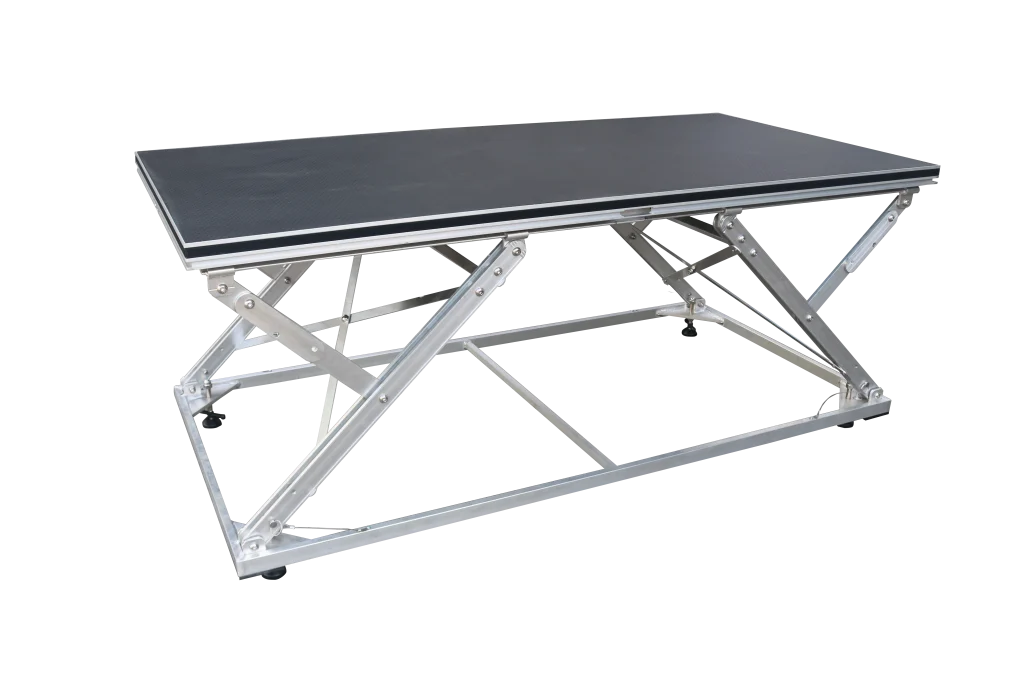
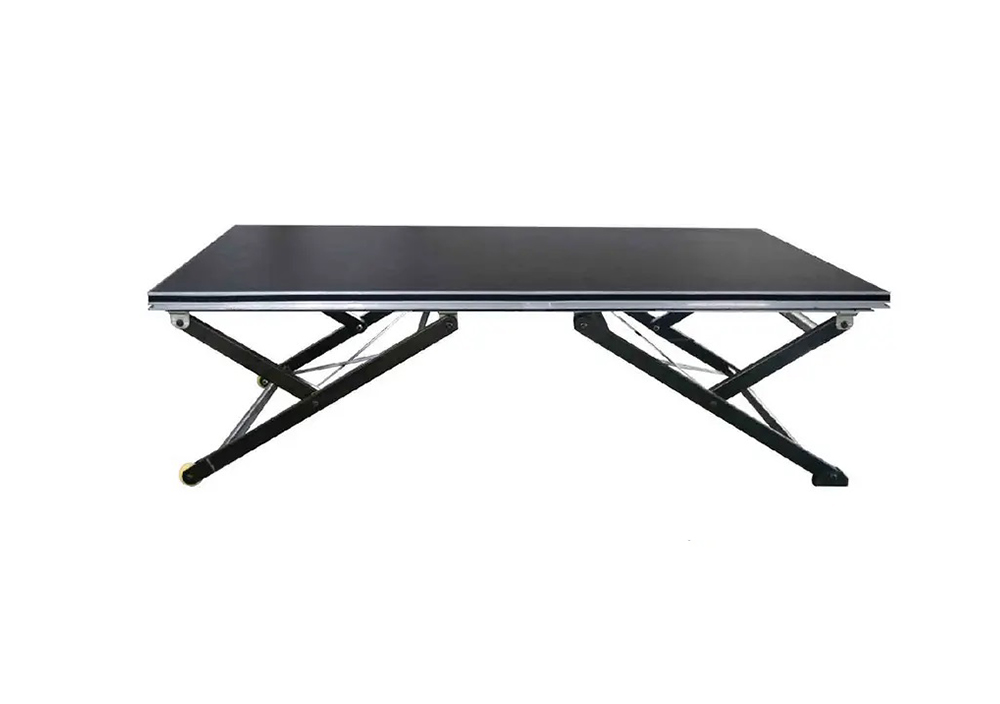
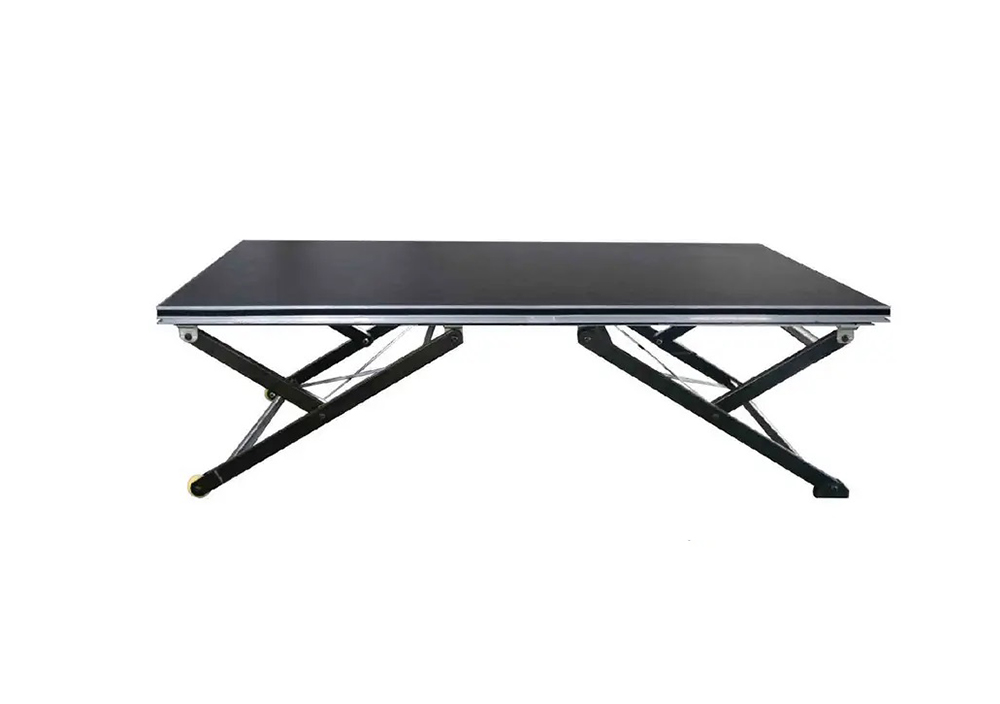
Full-Process Optimization of Stage Systems for Performances and Sports Events
Views:
Author: Shinestage
Publish Time: 2025-10-30
Origin:
Performance and sports event staging involves more than just structural installation; it encompasses the full process, from design and assembly to operation and disassembly. With large-scale events becoming increasingly frequent and audiences expecting professional production quality, traditional stage setups are no longer sufficient. Integrated stage systems, combining modular stages, grandstands, and pathways, allow for full-process optimization, delivering safety, efficiency, and superior audience experience.
Systematic design is the core of full-process optimization. Modular platforms, adjustable stage heights, and configurable grandstands allow venues to adapt quickly to different performance types and audience sizes. Carefully planned pathways ensure balanced crowd flow and safe movement throughout the event. Every connection and support is engineered for structural integrity, providing stability even under high-density conditions. Each investment in planning and construction directly contributes to operational efficiency, audience safety, and satisfaction.
Audience safety is paramount. Systematic stage solutions include modular grandstands and well-planned pathways to manage high-density crowds effectively. Entrance, exit, and zoning layouts are carefully designed for smooth movement, including for attendees with mobility challenges. Standardized modules reduce construction errors and improve stability under peak loads. These designs not only meet international safety standards but also increase audience confidence and satisfaction.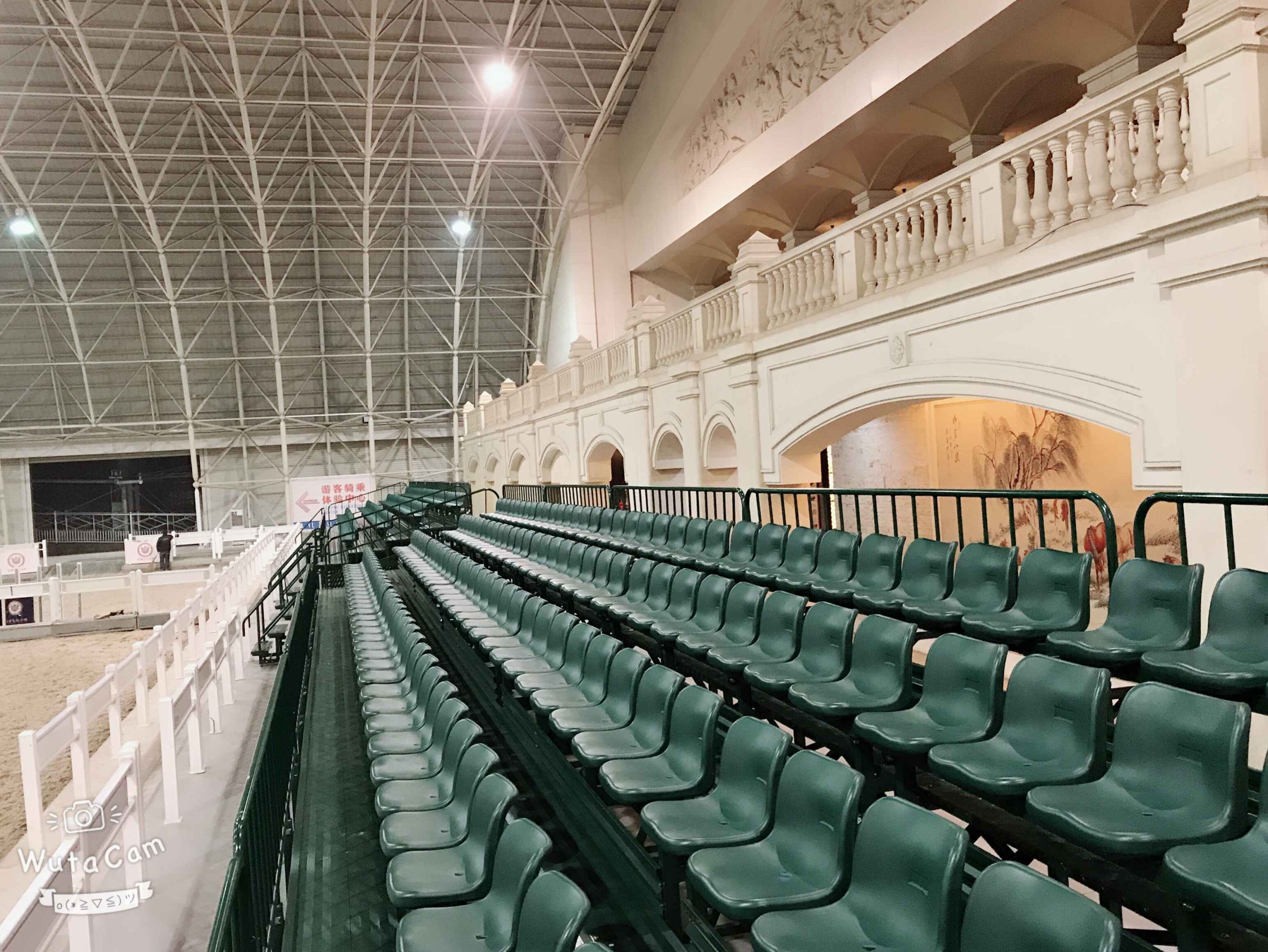
Operational and economic efficiency is another key advantage. Modular stages, grandstands, and pathways enable rapid assembly, dismantling, and transport, reducing labor requirements and setup time. Standardized components allow repeated use across multiple events, lowering long-term costs and maximizing ROI. For organizers, systematic stage systems provide predictable scheduling, risk management, and reliable financial outcomes. For attendees, they offer safety, comfort, and immersive engagement.
Audience experience is central to effective stage system planning. Tiered seating, interactive pathways, and adjustable stage platforms allow spectators to engage fully with performances from multiple angles. Pathways are integrated seamlessly into the overall stage layout, enhancing spatial aesthetics while ensuring functional efficiency. Modular systems support a variety of performance types while maintaining consistent visual and experiential quality.
Global trends in stage standardization support full-process optimization. European and North American markets focus on load-bearing capacity and compliance, while Asian markets emphasize construction efficiency and multi-purpose adaptability. Chinese companies with expertise in modular design, standardized construction, and international project management can deliver solutions that meet these diverse standards. Systematic stage systems enable reliable, replicable, and high-quality execution across venues worldwide.
ROI is a critical consideration in integrated stage design. Efficient planning, modular assembly, and standardized interfaces reduce errors, improve construction speed, and allow predictable project timelines. Reusable materials lower costs while extending service life. Organizers benefit from controlled risk, consistent execution, and stable ROI, while audiences experience safe, comfortable, and immersive events. Every resource allocation generates measurable value through systematic design.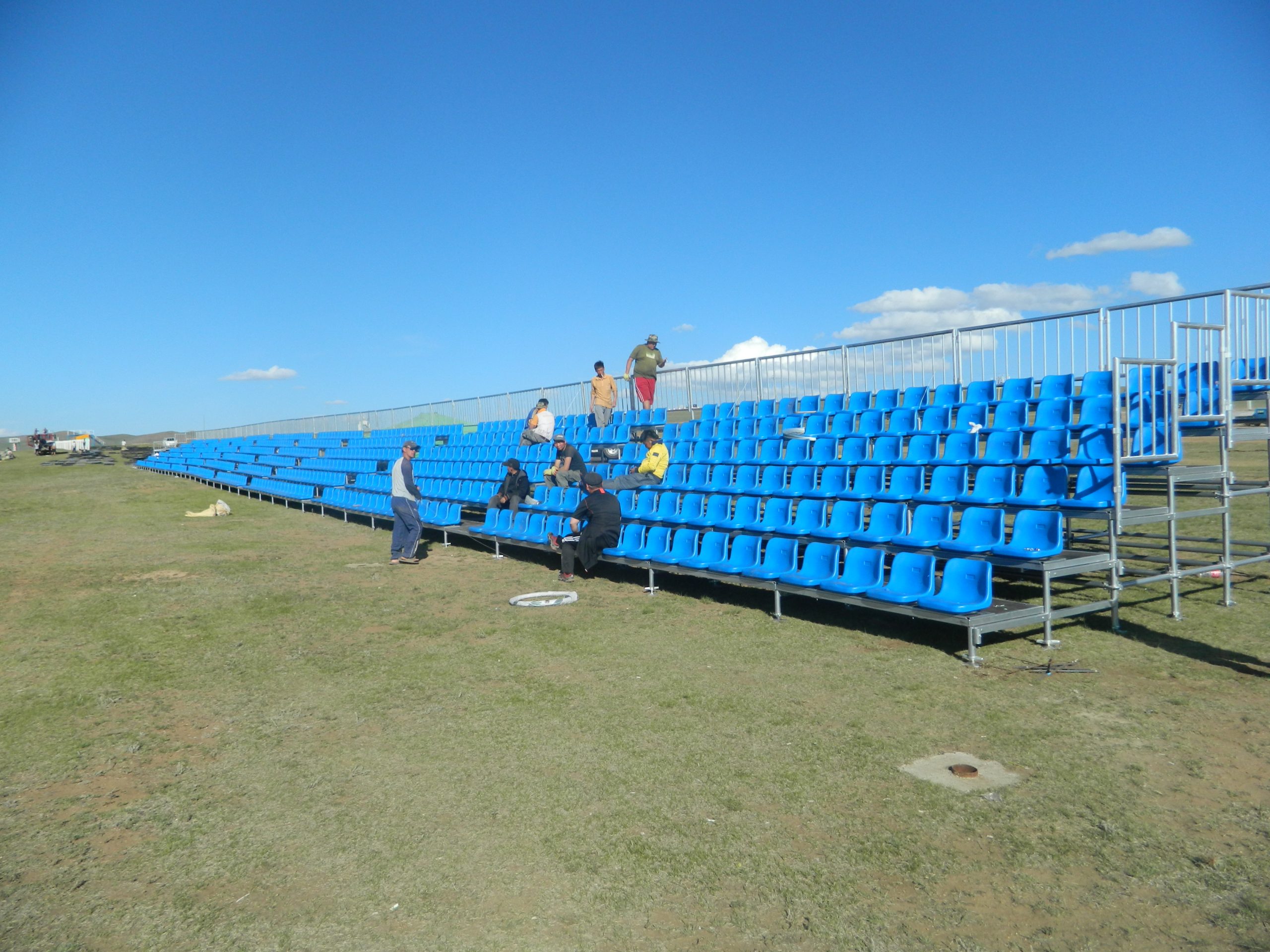
Time efficiency is crucial for large-scale events. Modular stage systems enable rapid setup, reconfiguration, and scene changes, supporting multi-event scheduling and complex logistics. Reusable modules ensure consistent quality and visual impact across venues. High operational efficiency reduces costs and enhances the commercial value and reputation of events and sponsors.
Sustainability is an essential component of full-process optimization. Lightweight, high-strength materials allow easy transport, assembly, and disassembly, minimizing environmental impact. Modular systems adapt to different events without requiring new components, conserving resources and extending equipment lifespan. Sustainable stage solutions combine safety, efficiency, and long-term usability, providing practical and environmentally responsible options for organizers.
The value of integrated stage systems extends beyond physical infrastructure. Modular, standardized, and sustainable design enables flexible combinations of stages, grandstands, and pathways, forming replicable, adaptable solutions. Each panel, seating unit, and pathway is engineered and verified to balance structural integrity, operational efficiency, and aesthetic presentation. Systematic design merges engineering logic, audience experience, and artistic expression.
In conclusion, performance and sports event stage design is evolving from isolated installations to integrated, systematic, and modular solutions. Modular stages, grandstands, and pathways provide safe, efficient, and immersive experiences, maximizing ROI and operational efficiency. Shinestage offers integrated, high-efficiency, and flexible solutions, balancing engineering logic, audience experience, and financial returns, driving professional, standardized, and sustainable growth in the global stage industry.