
CASES & NEWS
Related News
Related Products
The Era of Integrated Stage Design
Views:
Author: Shinestage
Publish Time: 2025-10-28
Origin:
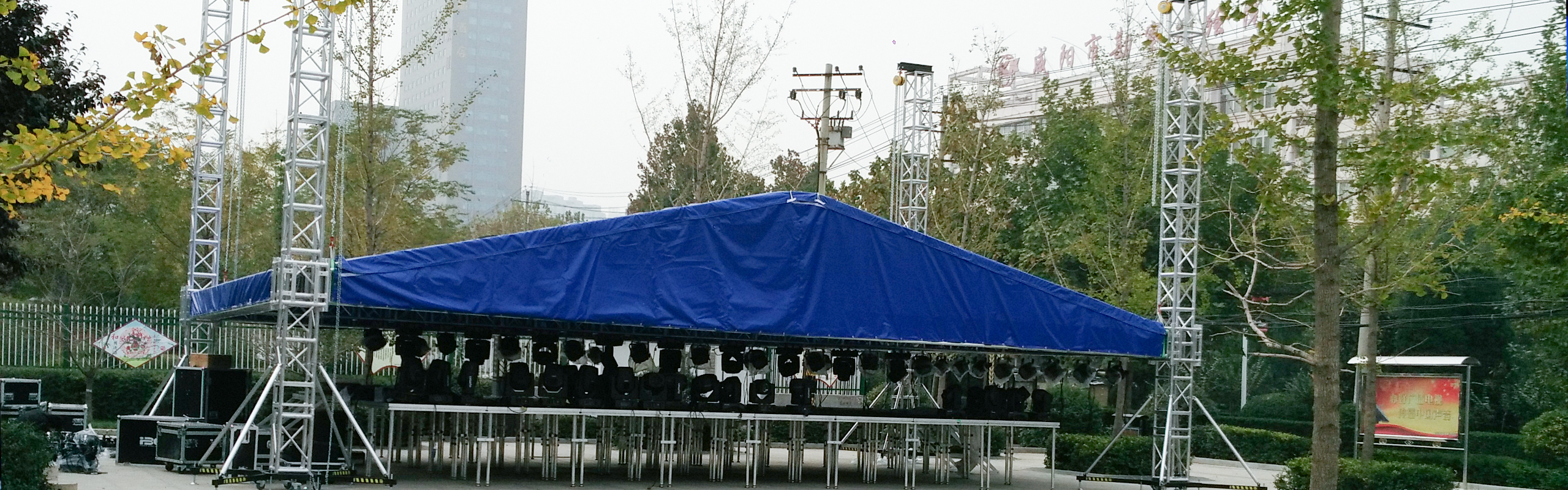
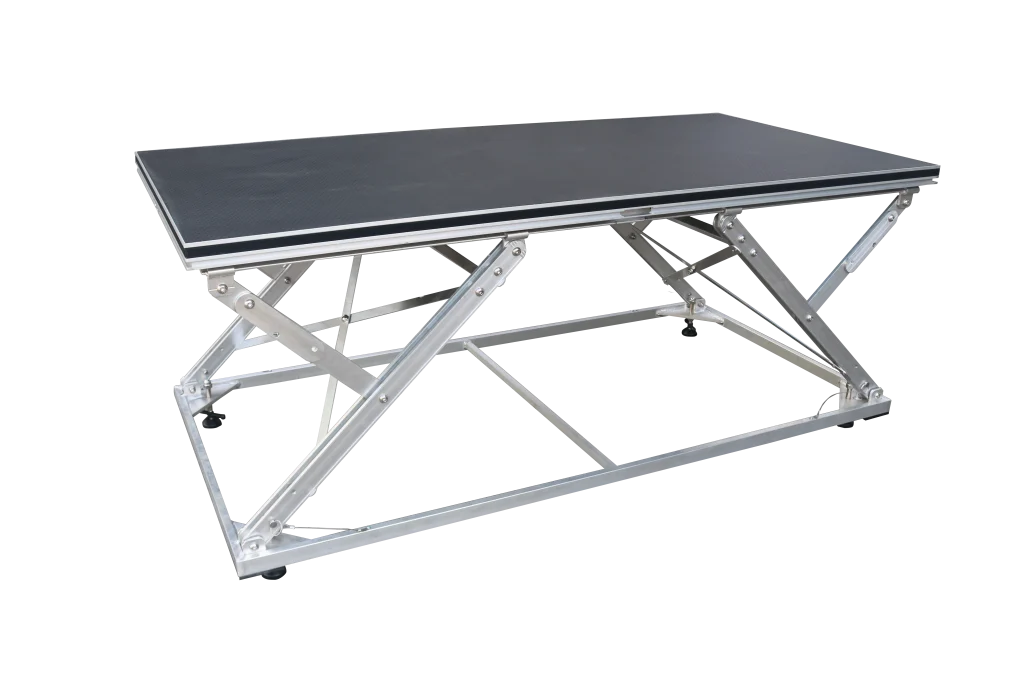
The stage industry is evolving into a fully integrated system, where stage platforms, grandstands, and access routes are planned and executed as a cohesive whole. In the past, stage components and audience seating were often designed and installed separately, relying heavily on on-site adjustments and experience. With growing audience expectations and the rise of large-scale events, the demand for systematic, integrated solutions has never been higher.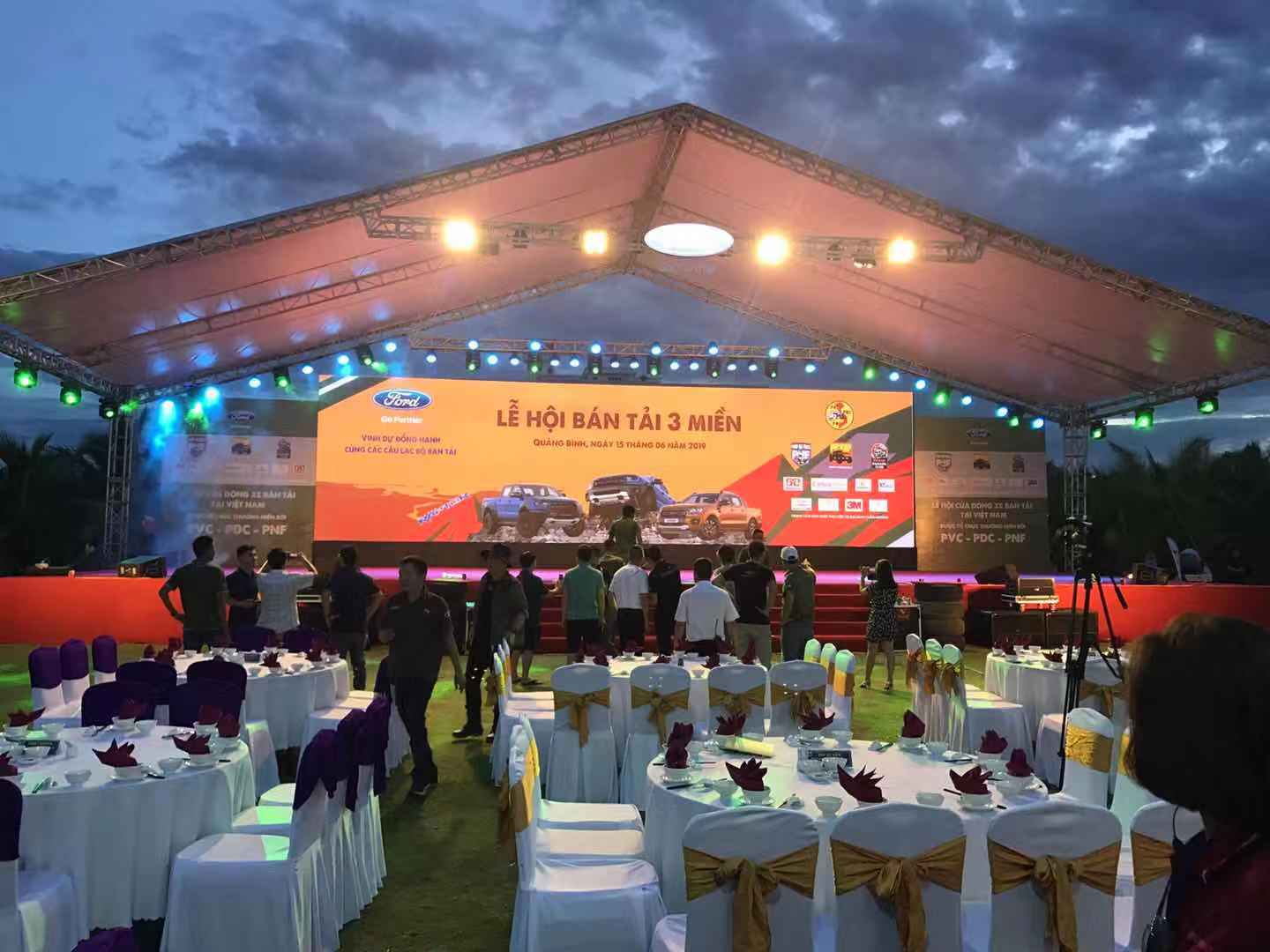
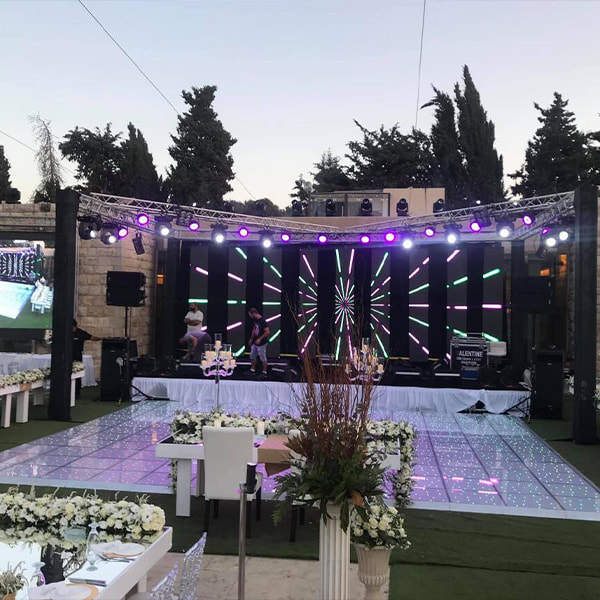
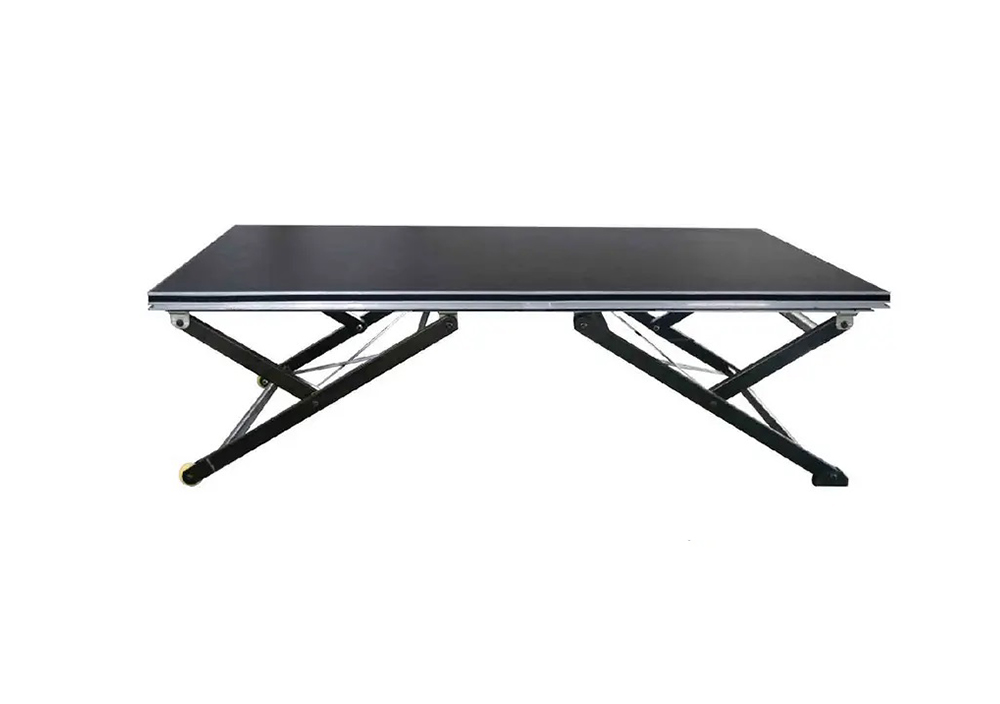
Modern stage design emphasizes the union of structure and audience experience. Sightlines, stage height, pathway widths, and seating angles all directly influence how audiences perceive the performance. Integrated stage solutions, often using modular components, enable rapid assembly and disassembly, ensuring flexibility across multiple events and venues. Each interface and support is engineered and tested, guaranteeing stability even with large crowds. Every investment in design and construction translates directly into enhanced safety, efficiency, and audience satisfaction.
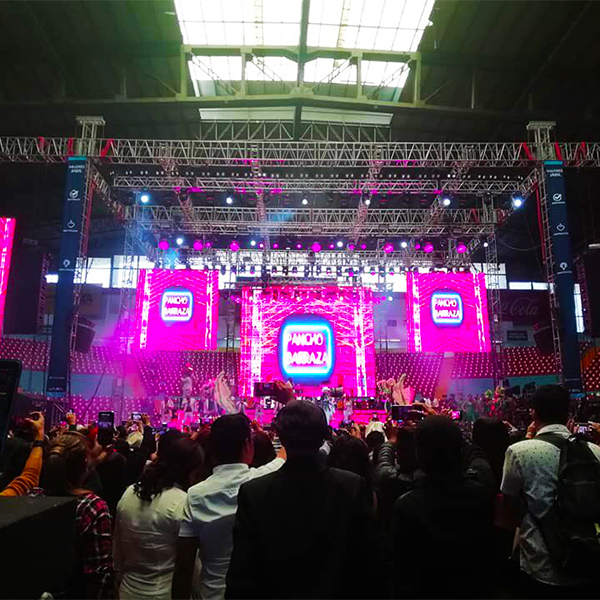
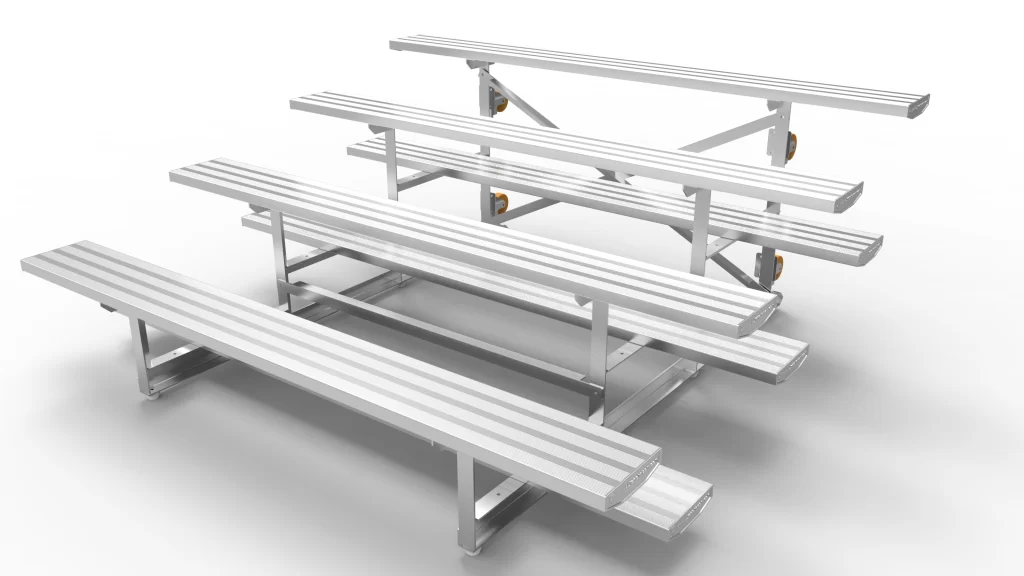
Safety extends beyond the load-bearing capacity of grandstands to include effective crowd management and emergency evacuation. Thoughtful access planning, designated entry and exit points, and audience zoning ensure smooth flow during high-density events. Modular grandstand designs allow quick reconfiguration or removal in emergencies, reducing potential hazards. These solutions align with international event standards and are increasingly becoming benchmarks in the global stage industry.
Audience experience and spatial design are inseparable. Stage and grandstand layouts are no longer just structural; they serve as visual and artistic expression. Tiered seating, interactive pathways, and adjustable platforms enable audiences to engage fully, regardless of perspective. Modular design provides the flexibility to adapt to varying stage heights and configurations, merging functionality and artistic presentation. Every investment not only delivers physical infrastructure but also significantly elevates audience satisfaction and the overall impact of the event.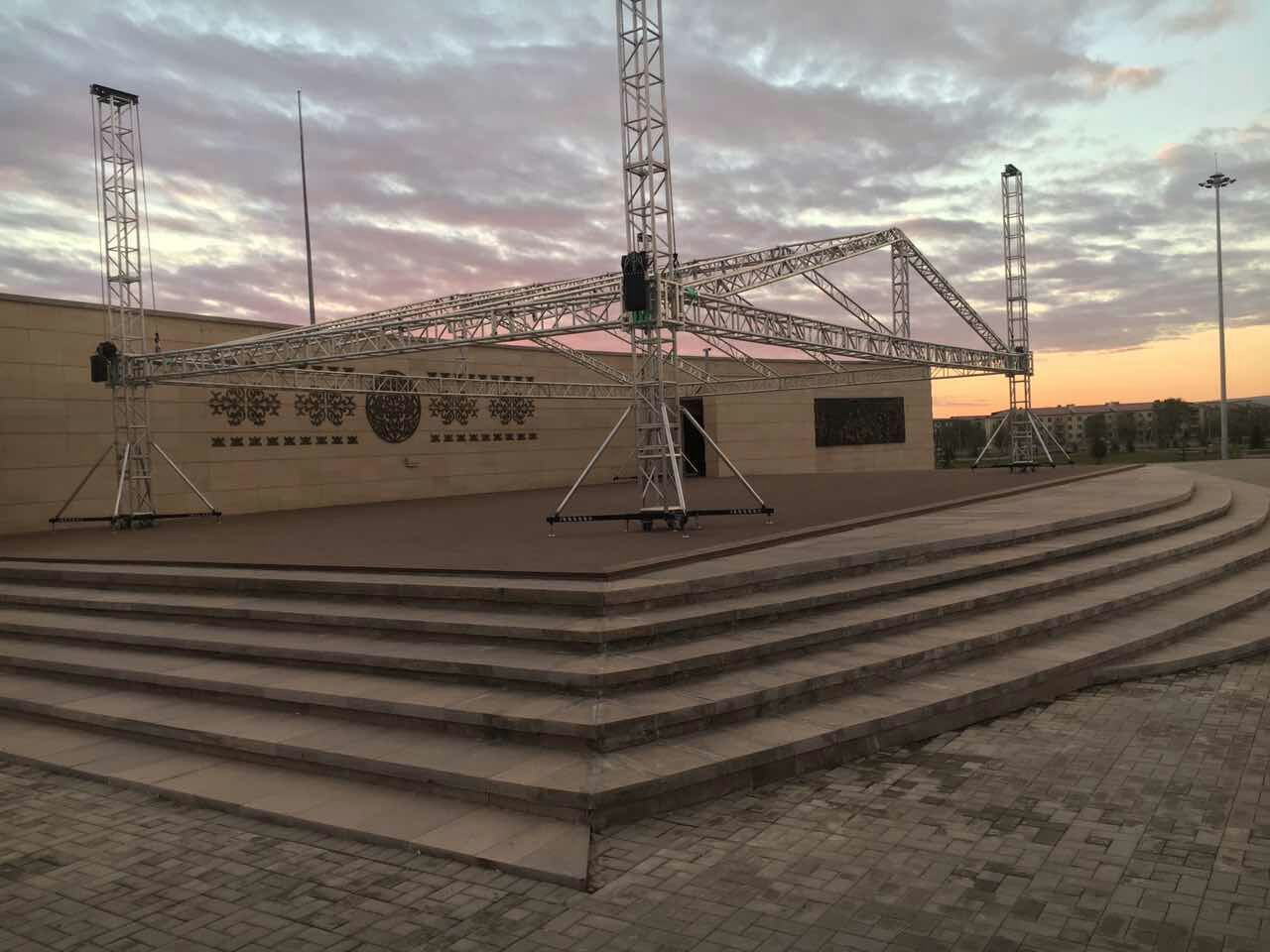
The global stage industry is moving toward standardized design practices. European and North American markets emphasize load-bearing capacities and safety compliance, while Asian markets focus on construction efficiency and multi-purpose adaptability. Chinese companies excel in modular solutions, standardized processes, and international project execution, enabling large-scale events to meet diverse market standards. Integrated stage solutions facilitate efficient execution across venues, ensuring visual consistency and audience satisfaction worldwide.
The return-on-investment logic is evident in integrated stage systems. Detailed planning, modular assembly, and standardized interfaces enhance construction efficiency and reduce errors. Reusable modular materials lower long-term costs. For organizers, systematic stage solutions mean predictable timelines, controlled risk, and stable ROI. For audiences, it translates into safety, comfort, and immersive experiences. Optimizing the entire proces s ensures that every dollar invested produces measurable value.
Sustainability is an important consideration in modern stage design. Lightweight, high-strength materials make modular stages and seating easy to transport, assemble, and dismantle, minimizing energy use and material waste. Modular designs allow flexible adaptation to different performance types without the need for entirely new components, reducing cost while extending service life. Integrated stage solutions deliver efficiency, sustainability, and audience-centered design for long-term event planning.
Large-scale events demand precise time management. Integrated solutions allow for rapid installation, adjustment, and scene changes, maximizing efficiency and minimizing delays. Reusable modules ensure consistency across multiple events, reinforcing brand identity and performance quality. This integrated approach turns complex logistical challenges into repeatable, reliable solutions for organizers.
The value of integrated stage design lies not only in physical infrastructure but also in planning and system logic. Modular, standardized, and sustainable design enables flexible combinations of stage platforms, grandstands, and pathways, forming replicable, adaptable, and long-term solutions. Every stage panel, seating unit, and access module undergoes strict quality verification, merging engineering logic with artistic presentation.
Overall, the stage industry is evolving from isolated equipment installation to fully integrated, modular, and standardized solutions. Integrated stage systems combine safety, efficiency, and immersive audience experience, maximizing the value of every investment. Shinestage leverages modular stages, grandstands, and access systems to deliver safe, flexible, and high-efficiency solutions, balancing engineering, audience experience, and ROI, driving professional, standardized, and sustainable growth in the global stage industry.