
CASES & NEWS
Related News
Related Products
Stage Spaces and Audience Experience: Balancing Engineering and Art
Views:
Author: Shinestage
Publish Time: 2025-10-29
Origin:
Stage spaces are not merely platforms for performance; they define the audience’s perception of an event. Traditionally, stages and seating were planned separately, relying heavily on on-site adjustments and professional experience. With evolving audience expectations and the growing frequency of large-scale events, industry demands for integrated spatial planning and systematic solutions have increased dramatically. The rational layout of stage spaces has become a critical factor in event efficiency and audience satisfaction.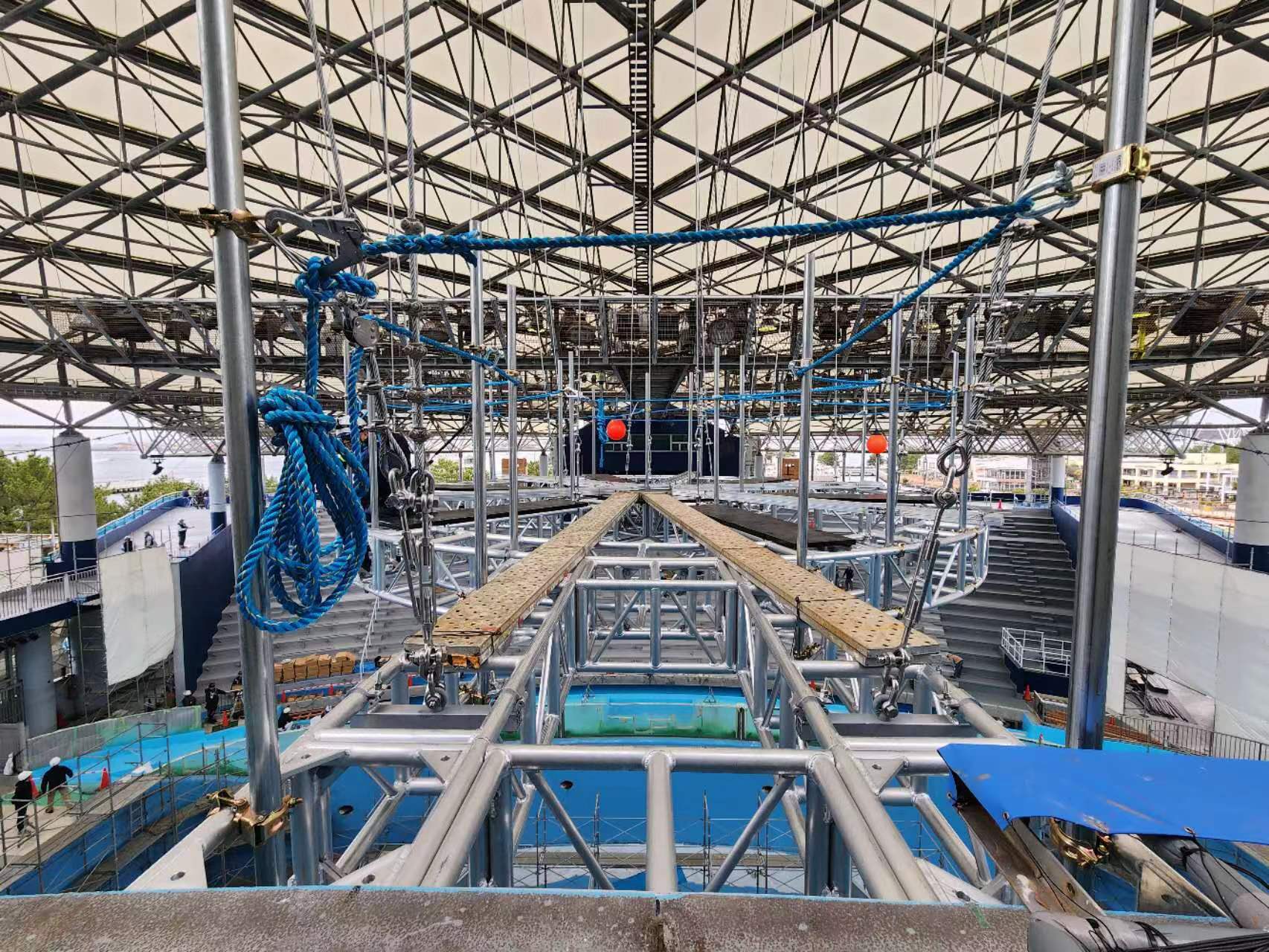
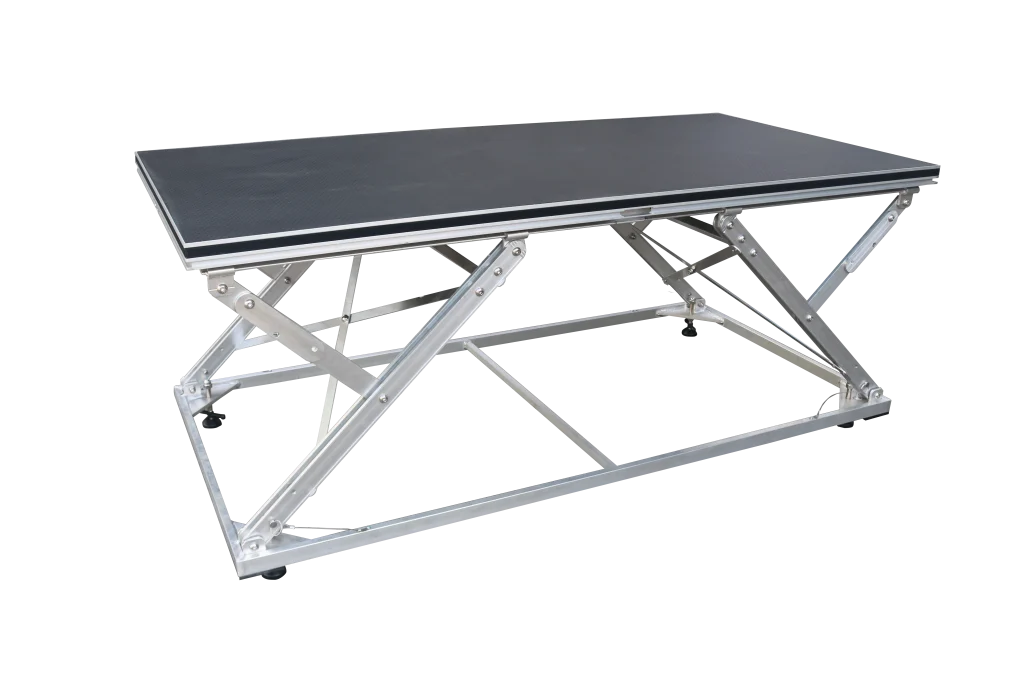
Modern stage design emphasizes the integration of structural integrity and audience experience. Seating angles, stage height, pathway width, and sightlines directly impact how audiences engage with the performance. Systematic stage solutions, often using modular designs, allow quick assembly and disassembly, ensuring venues can adapt to multiple event types. Connections between stages, seating, and pathways undergo rigorous structural testing, maintaining stability even under high crowd density. Every investment in planning and construction translates into improved safety, audience comfort, and operational efficiency.
Safety extends beyond structural load capacity. Proper crowd management, emergency evacuation planning, and flow zoning are critical. Modular grandstands allow for flexible configurations and emergency adjustments, reducing potential risks. These designs comply with international safety standards and are increasingly considered industry benchmarks. Systematic stage planning ensures that both organizers and audiences can rely on consistent safety and comfort during large-scale events.
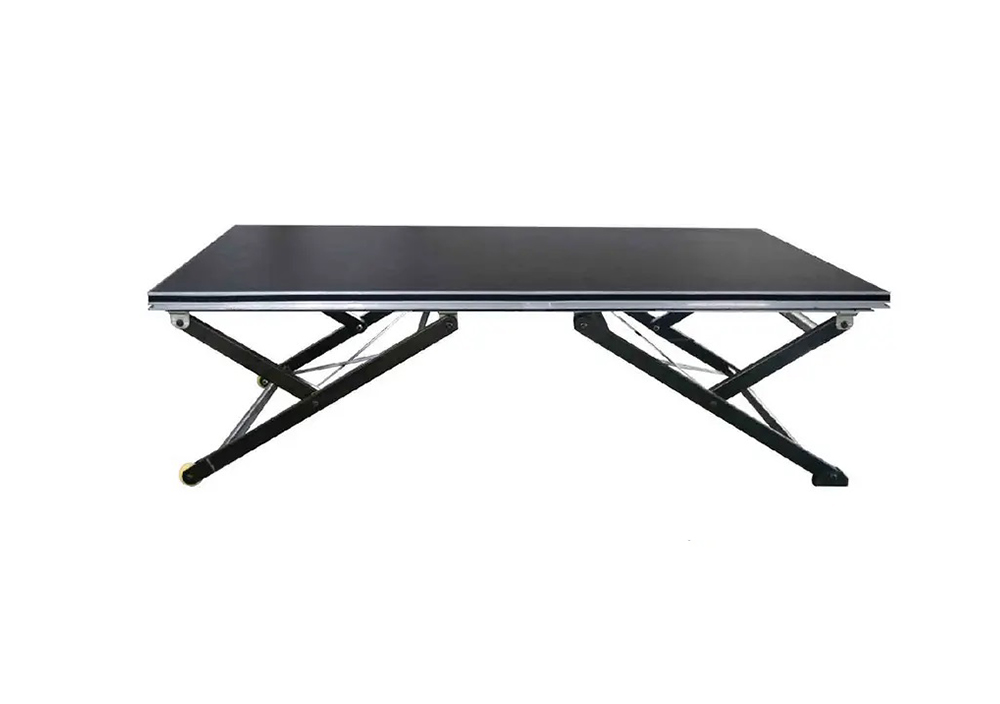
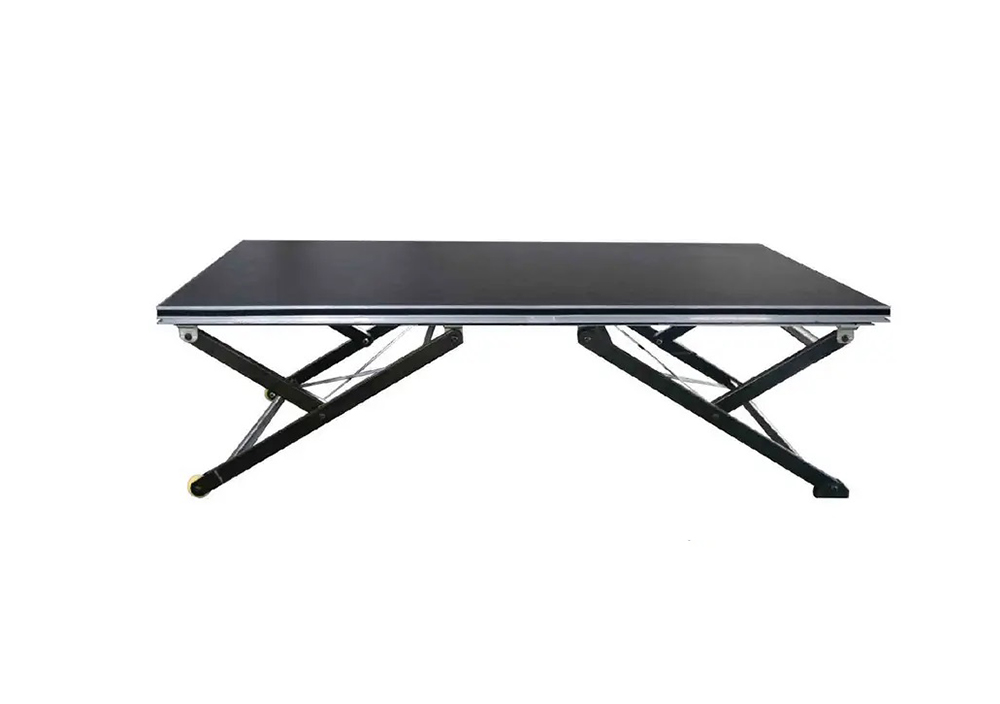
Audience experience and spatial aesthetics are inseparable. Modern stages serve as both functional platforms and visual expression tools. Tiered seating, interactive access routes, and adjustable platforms create immersive experiences from multiple perspectives. Modular and flexible designs allow stages to adapt to different heights and layouts, integrating practical functionality with artistic presentation. Investments in infrastructure therefore deliver tangible improvements in audience satisfaction and event impact.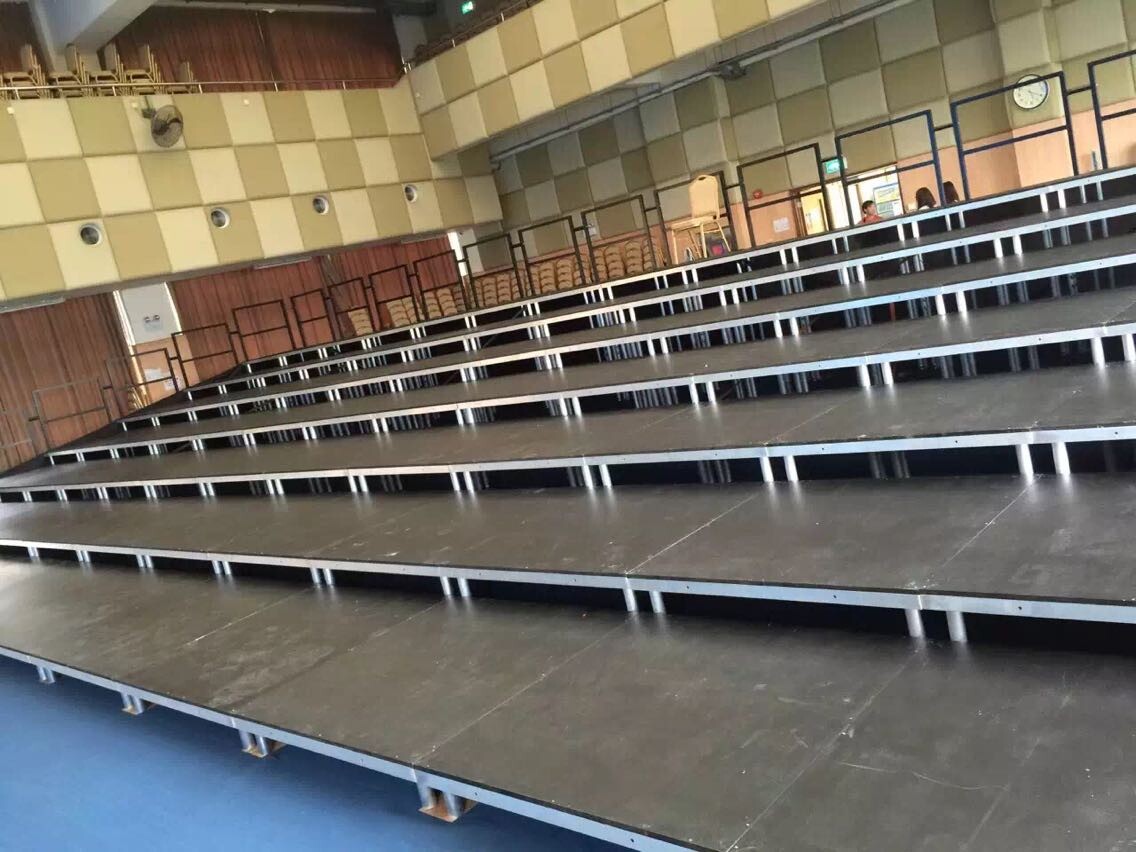
The global stage industry is moving toward standardized planning. European and North American markets prioritize structural safety and compliance, while Asian markets emphasize construction efficiency and multi-purpose adaptability. Chinese enterprises are excelling in modular, standardized, and internationally executable solutions, enabling venues to meet diverse standards efficiently. Integrated stage solutions ensure that large events maintain consistent visual impact and audience satisfaction worldwide.
ROI is a clear consideration in systematic stage planning. Efficient design, modular installation, and standardized interfaces increase construction speed and reduce errors. Reusable modular components lower long-term costs. For event organizers, systematic stage solutions offer predictable schedules, controlled risk, and reliable returns on investment. For audiences, these solutions guarantee comfort, safety, and immersive engagement. Properly planned stage spaces maximize both economic and experiential value.
Sustainability is also a central concern. Lightweight, high-strength materials allow modular stages and seating to be transported, assembled, and dismantled with minimal energy expenditure. Modular designs allow stages to be adapted to different performances without producing entirely new components, saving costs and extending equipment lifespan. Systematic stage solutions optimize infrastructure use while enhancing operational sustainability and audience engagement.
Large-scale events require precise time management. Systematic stage solutions allow rapid installation, adjustment, and scene changes, enabling multiple events to be staged efficiently within a limited timeframe. Modular solutions ensure consistent results across events, maintaining brand identity and performance quality. By streamlining logistics, integrated stage solutions make large-scale event management predictable and reliable.
The true value of stage planning lies not just in the physical structures but in holistic spatial logic. Modular, standardized, and sustainable designs allow stages, seating, and pathways to be flexibly combined, creating replicable, adjustable, and long-term solutions. Every stage panel, seating unit, and access module is tested to ensure both structural integrity and visual coherence, merging engineering logic with artistic presentation.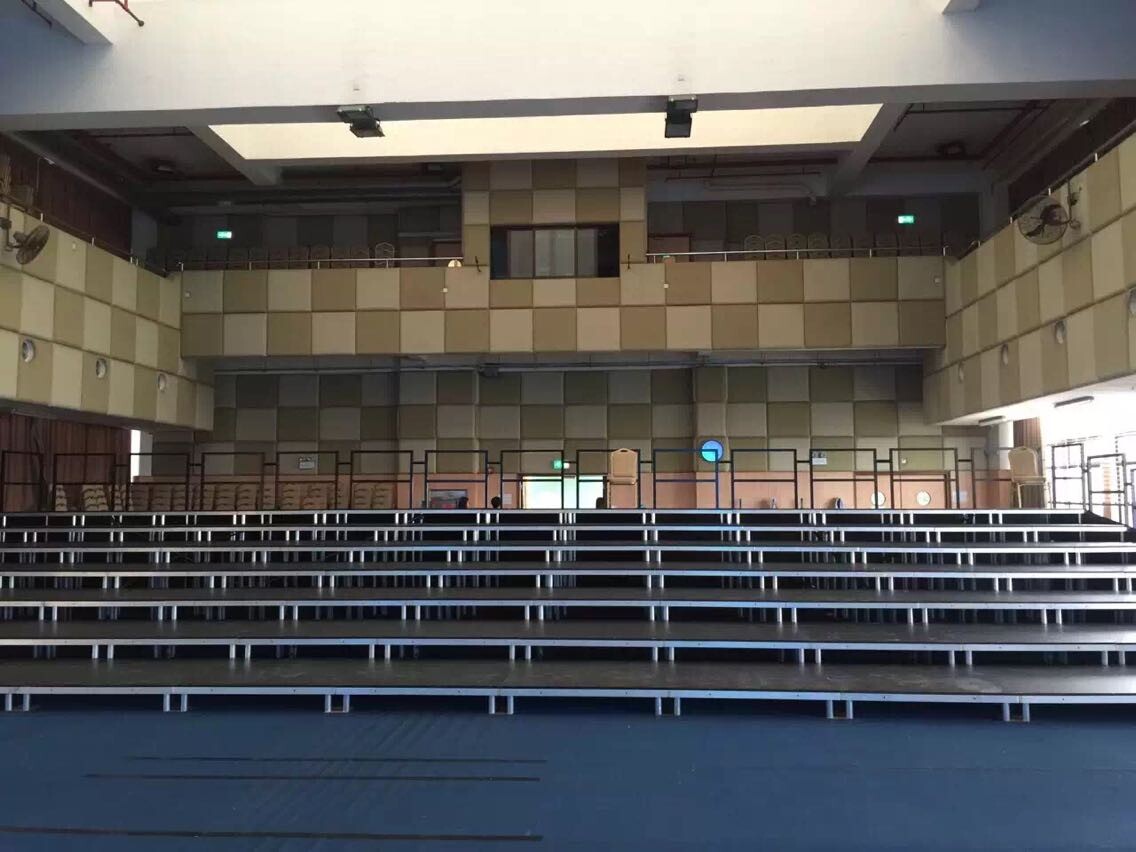
In summary, stage spaces today are evolving from standalone setups to fully integrated, systematic solutions. Integrated stage systems combine safety, efficiency, and immersive audience experience, maximizing the return on every investment. Shinestage leverages modular stages, grandstands, and pathways to provide high-efficiency, safe, and flexible solutions, balancing engineering, audience experience, and ROI while promoting professional, standardized, and sustainable development in the global stage industry.