
CASES & NEWS
Related News
Related Products
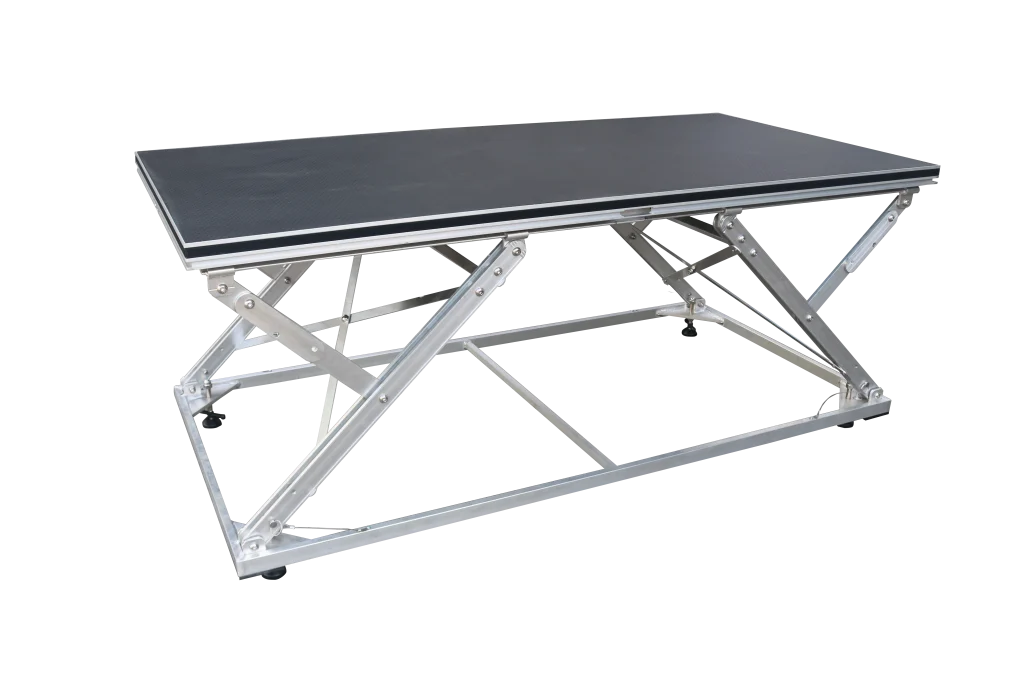
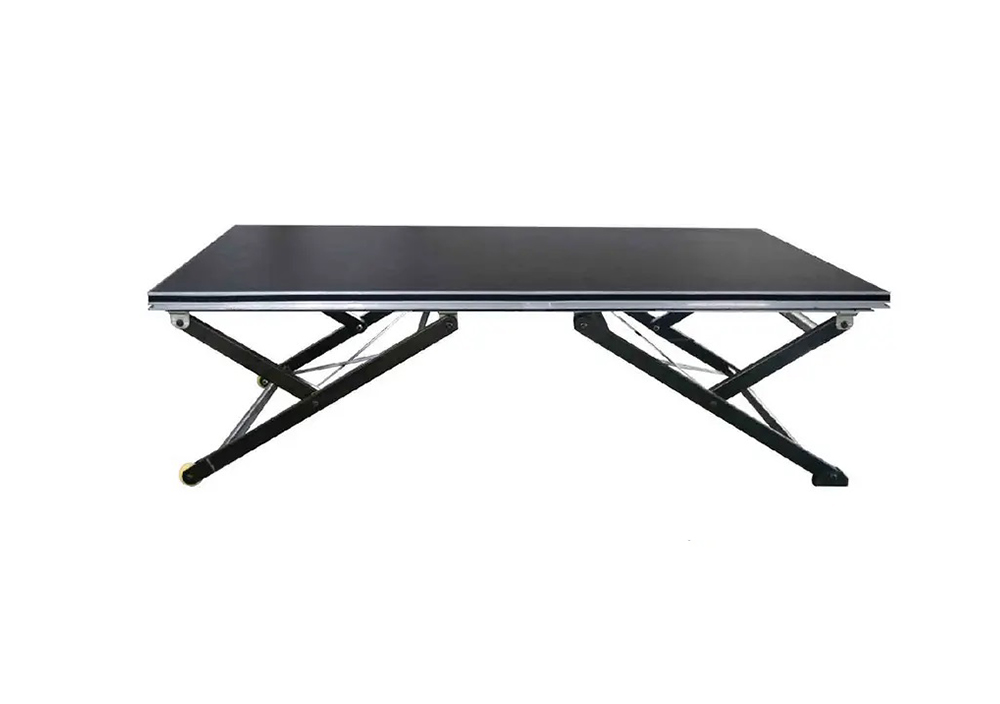
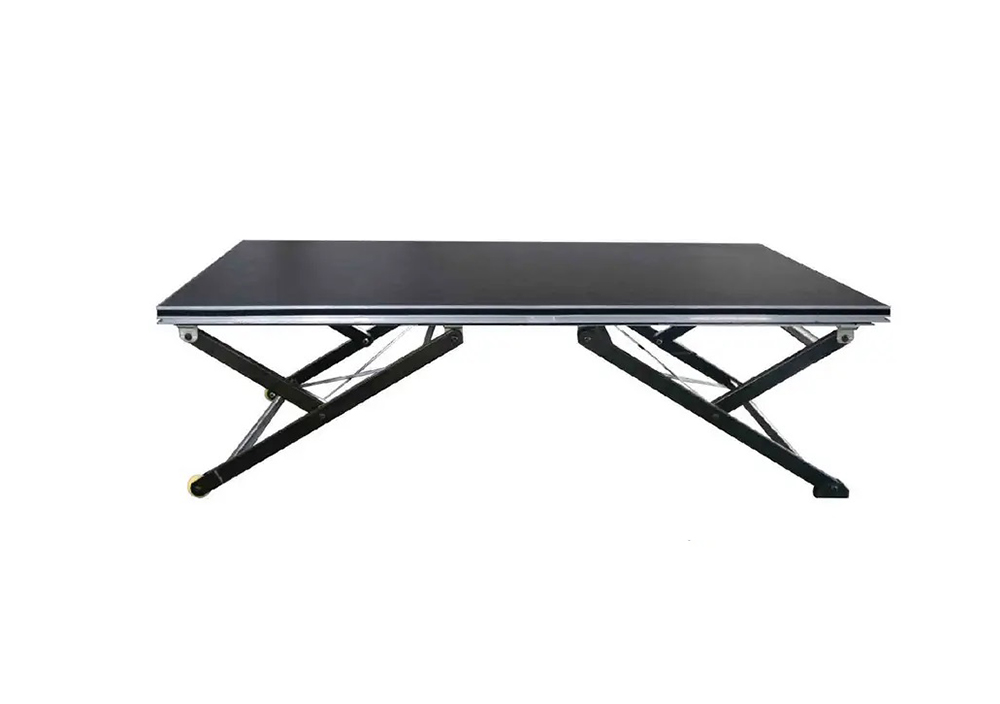
Integrated Stage Design for Cultural Tourism and Urban Events
Views:
Author: Shinestage
Publish Time: 2025-10-29
Origin:
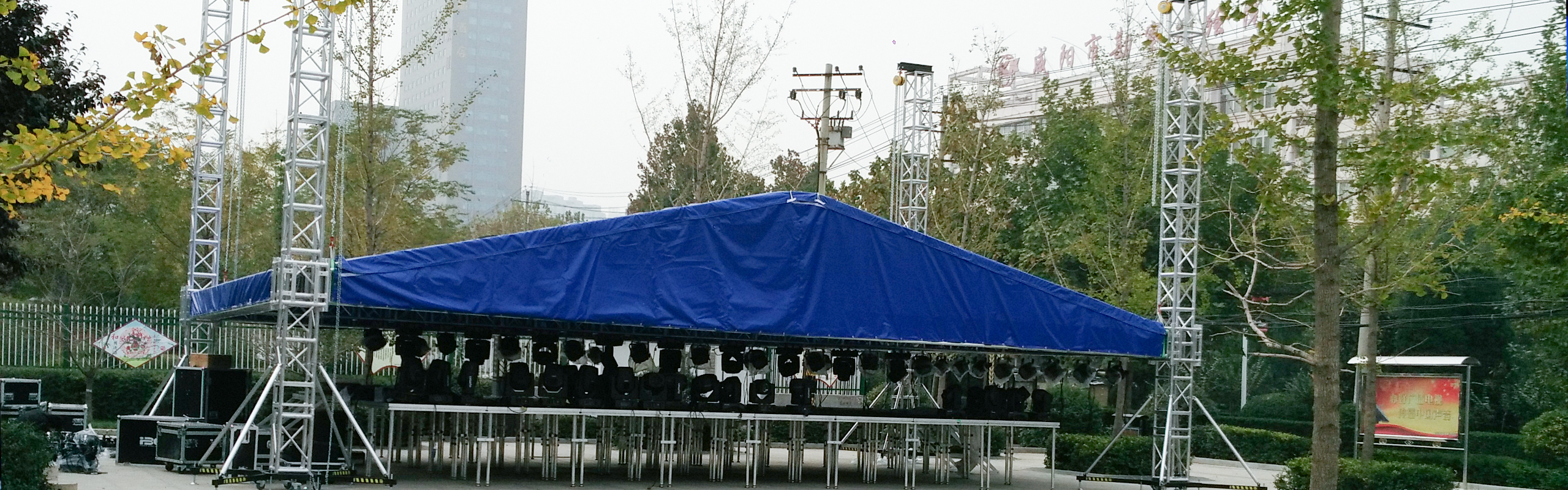
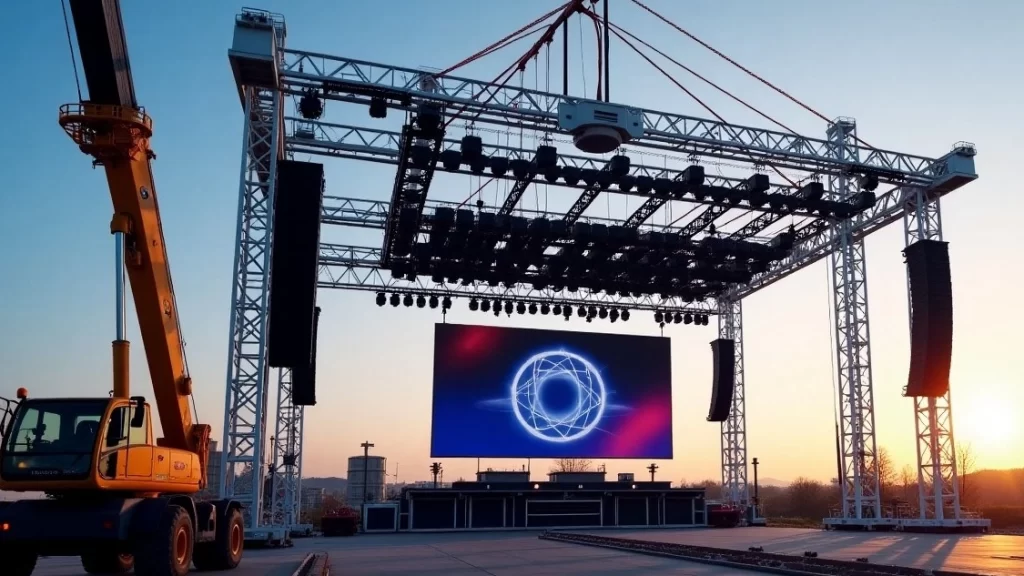
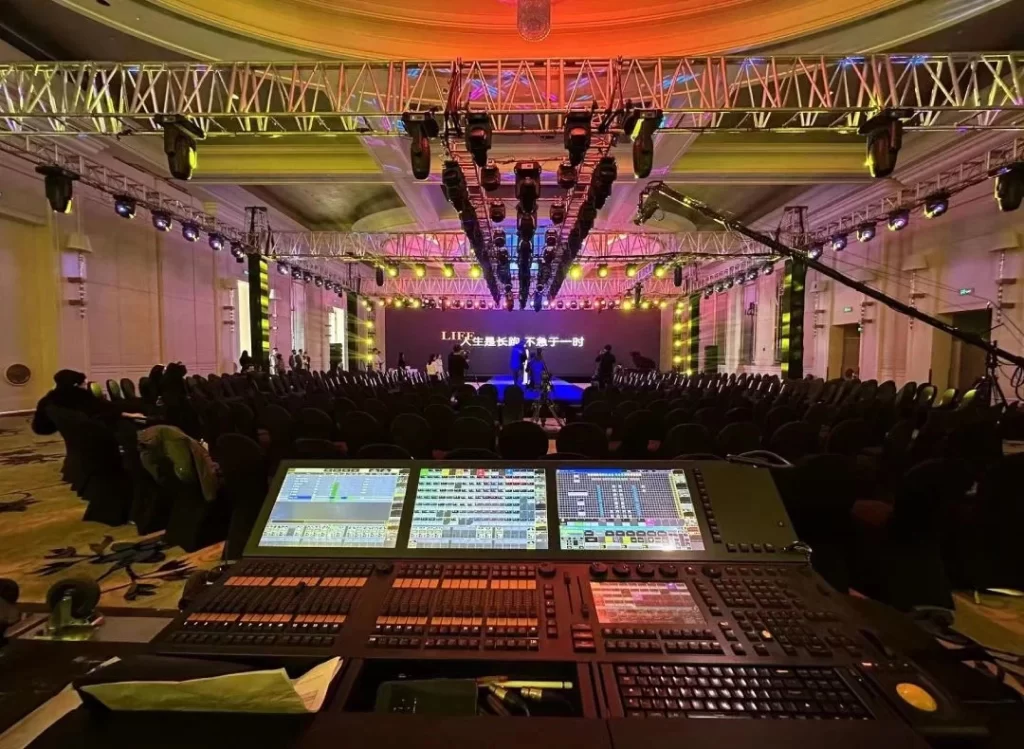
As cultural tourism performances and urban events continue to expand, the stage industry faces unprecedented challenges and opportunities. Large-scale events require not only structurally sound stages and grandstands but also well-planned spatial layouts that balance audience safety and immersive experience. Historically, stages and seating were designed separately, lacking integrated planning. Modern integrated stage solutions, combining modular design and systematic planning, provide the flexibility to accommodate high-density audiences and multi-venue events efficiently.
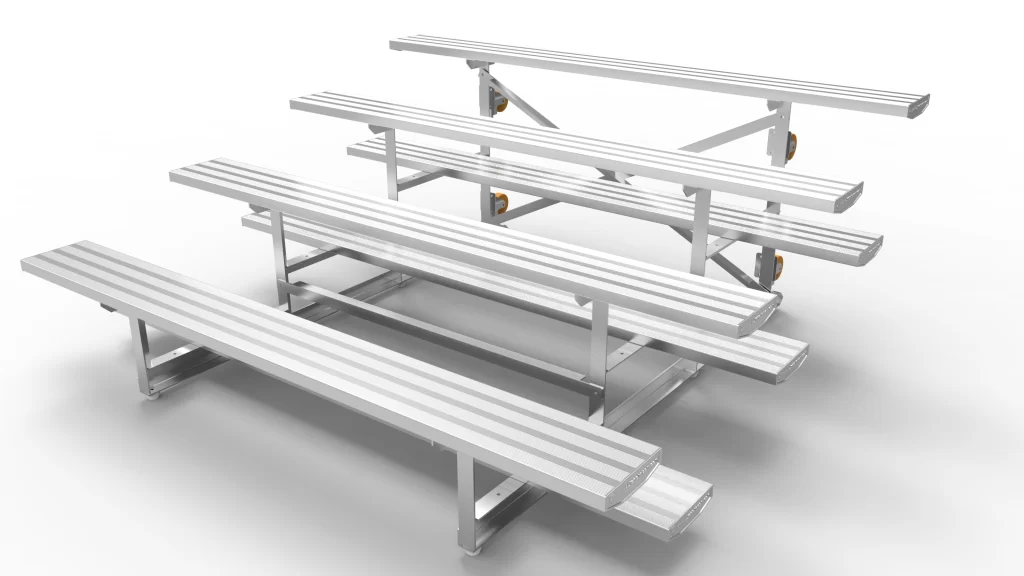
In cultural tourism performances, integrated stage solutions enable rapid adaptation to varying performance types and venue conditions. Modular stages and grandstands can be combined in different configurations, while stage height and layout adjustments ensure optimal sightlines for all spectators. Carefully planned pathways distribute crowds evenly, facilitating safe and smooth movement. This integrated approach reduces construction complexity and enhances both professionalism and audience satisfaction.
Safety is paramount in urban celebrations and large events. Modular grandstands undergo rigorous structural calculations, ensuring each panel and support complies with international load-bearing standards. Pathways are designed to maximize evacuation efficiency, with clearly defined entry, exit, and crowd flow patterns. Standardized modular components reduce construction errors and provide consistent reliability, allowing event organizers to manage risk effectively while delivering a safe experience to attendees.
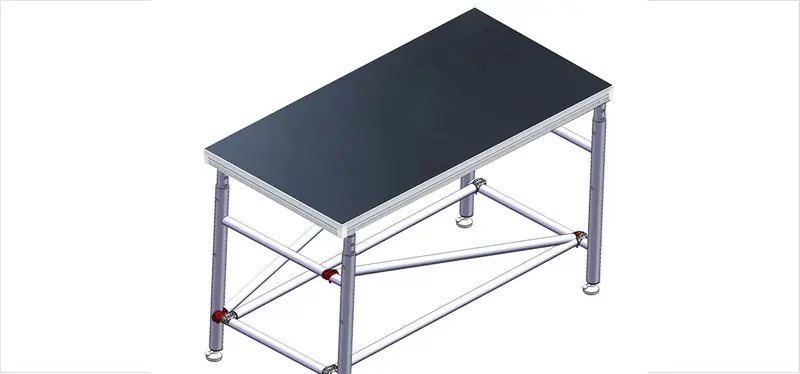
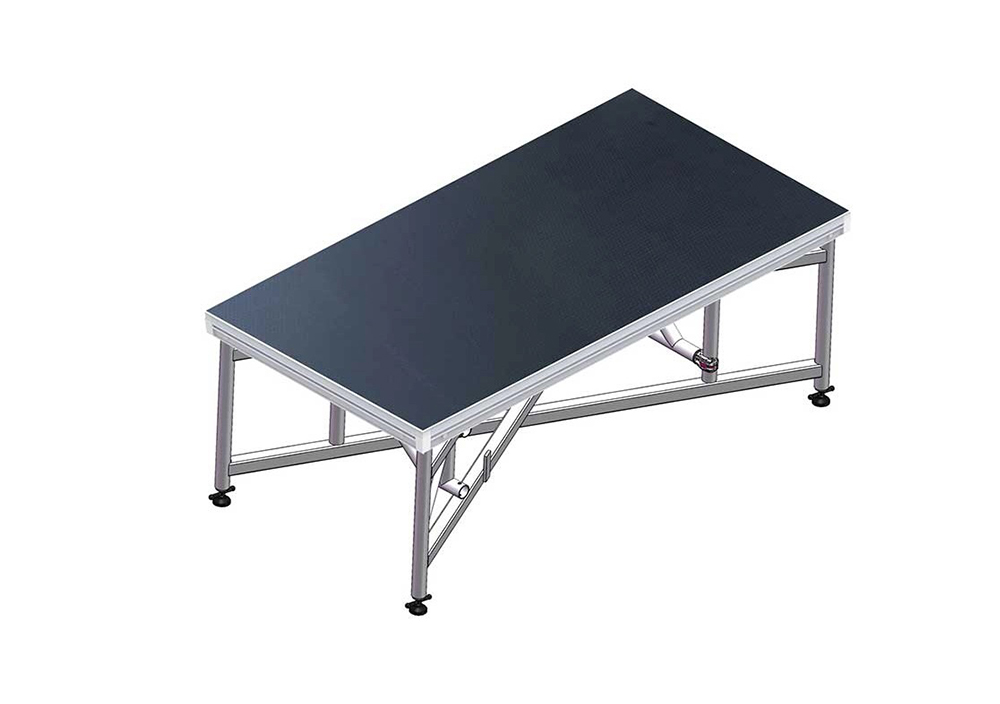
Integrated stage systems also provide significant operational and economic advantages. Modular platforms, grandstands, and pathways can be rapidly assembled, disassembled, and reused, minimizing labor costs and shortening setup time. Reusable materials reduce long-term investment while maximizing ROI. Organizers can deploy the same system across multiple venues, increasing resource efficiency and cost-effectiveness. At the same time, audiences benefit from comfortable, safe, and immersive experiences.
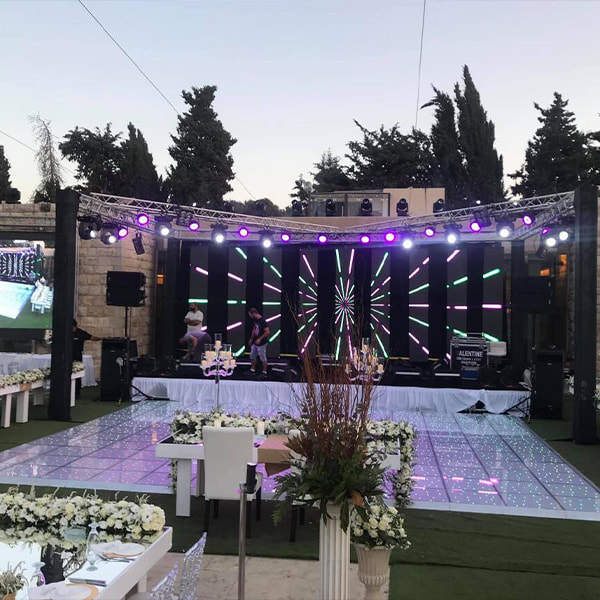
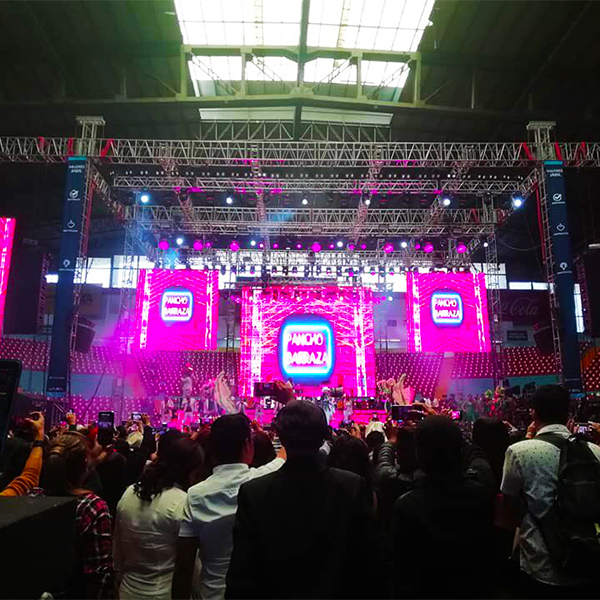
Spatial aesthetics are central to integrated stage design. Stages and grandstands are not only functional structures but also key components of visual and artistic expression. Tiered seating, interactive pathways, and adjustable stage platforms allow audiences to experience the performance from multiple angles. Flexible layouts accommodate a variety of artistic styles and event types, merging functionality with aesthetic impact. Integrated design ensures that engineering logic, audience experience, and artistic expression work in harmony.
Global trends in stage standardization provide a roadmap for integrated solutions. European and North American markets focus on load-bearing standards and safety compliance, while Asian markets prioritize construction efficiency and multi-use adaptability. Chinese enterprises have accumulated extensive experience in modular design, standardized construction, and international project execution, delivering stage solutions that meet global standards. Integrated stage systems enable efficient replication and execution across venues, ensuring consistent safety, efficiency, and audience experience worldwide.
The ROI of integrated stage solutions is evident. Thoughtful planning, modular construction, and standardized interfaces improve construction efficiency and minimize errors. Reusable materials and standardized components reduce costs while extending service life. Event organizers achieve controlled risk, predictable timelines, and reliable financial outcomes, while audiences enjoy safety, comfort, and immersive engagement. Systematic stage design transforms every investment into maximum value.
Large-scale cultural and urban events require precise time management. Integrated stage solutions allow rapid setup, reconfiguration, and scene changes, ensuring that events adhere to tight schedules. Modular systems can be reused across venues, creating scalability and consistency in visual presentation and performance quality. This efficiency not only reduces operational costs but also enhances overall event and commercial value.
Sustainability is a key advantage of integrated stage solutions. Lightweight, high-strength materials facilitate transport, assembly, and dismantling, reducing waste and environmental impact. Modular design allows stages to adapt to multiple events without creating entirely new components, extending the lifespan of materials and reducing costs. Sustainable integrated solutions provide both economic and environmental benefits for cultural tourism and urban event organizers.
The value of integrated stage design extends beyond physical structures. Modular, standardized, and sustainable planning enables flexible combinations of stages, grandstands, and pathways, forming replicable and adaptable spatial solutions. Every stage panel, seating unit, and access pathway is rigorously tested to ensure structural integrity, safety, and visual coherence, balancing engineering, artistic, and audience-centered considerations.
In conclusion, cultural tourism performances and urban events are transitioning from isolated stage setups to fully integrated, modular, and standardized solutions. Integrated stage systems combine safety, efficiency, and spatial aesthetics, enhancing audience experience and event value. Shinestage leverages modular stages, grandstands, and pathways to provide high-efficiency, safe, and flexible solutions, balancing engineering logic, artistic expression, and ROI while advancing professional, standardized, and sustainable development in the global stage industry.